Aid the Needy Kenya (ATN-K): Strengthening Grassroots Development and Community Resilience
Aid the Needy Kenya (ATN-K) is a community-driven development organization working to improve livelihoods and strengthen resilience among vulnerable populations in Kenya. Operating mainly within the Lake Victoria Basin region, Aid the Needy Kenya (ATN-K) has established itself as a key player in delivering sustainable, locally anchored solutions to pressing social, economic, and environmental challenges.
For over 15 years, ATN-K has implemented programs that directly respond to community needs while promoting long-term self-reliance through integrated development approaches.
A Community-Centered Development Model
ATN-K’s work is guided by a simple but powerful principle: development must begin at the community level and be owned by the people it serves.
The organization focuses on strengthening systems that improve quality of life through:
- Access to safe water and sanitation
- Improved health and hygiene practices
- Education and vocational training
- Sustainable agriculture and food systems
- Environmental restoration and climate adaptation
- Youth and women economic empowerment
This integrated model ensures that interventions reinforce each other, creating sustainable impact across multiple sectors.
Transforming Lives Through Clean Water Access
Access to clean water remains one of ATN-K’s most significant contributions.
Through strategic partnerships, the organization has developed water infrastructure that has transformed entire communities. A key example is the borehole project in Atela, Homa Bay County, which:
- Supplies clean water to thousands of residents
- Supports multiple schools in the area
- Reduces dependency on unsafe water sources
- Improves sanitation and hygiene outcomes
Beyond boreholes, ATN-K has also invested in water protection systems by safeguarding aquifers and promoting responsible water use between livestock and domestic consumption.
These interventions have significantly reduced waterborne diseases and improved community health outcomes.
Advancing Food Security and Economic Stability
ATN-K recognizes that food insecurity remains a major challenge in many rural communities, especially those dependent on fishing and rain-fed agriculture.
To address this, the organization has implemented innovative agricultural solutions such as:
Solar-Powered Irrigation Systems
These systems enable communities—especially women’s groups—to:
- Grow crops year-round despite climate variability
- Diversify income sources beyond fishing
- Improve household nutrition and food availability
- Build resilience against climate shocks
Livelihood Diversification Programs
ATN-K actively supports communities transitioning from overreliance on fishing by promoting alternative income-generating activities, strengthening long-term economic stability.
Education and Youth Empowerment Initiatives
ATN-K places strong emphasis on empowering young people through education and skills development.
Its interventions in this sector include:
- Provision of ICT equipment to schools and vocational institutions
- Enhancing digital learning environments
- Supporting special needs and boarding schools
- Strengthening vocational training programs
These efforts help bridge the digital divide and prepare young people for employment in an increasingly technology-driven economy.
Renewable Energy for Sustainable Development
To support its broader development agenda, ATN-K integrates renewable energy solutions into community infrastructure.
Key achievements include:
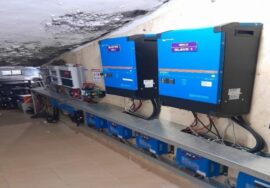
- Solar-powered water supply systems
- Solar lighting for schools and health facilities
- Energy support for rural institutions
These solutions reduce operational costs, increase service reliability, and promote environmental sustainability.
Environmental Conservation and Climate Action
Environmental sustainability is a core pillar of ATN-K’s mission.
The organization implements programs such as:
- Tree planting and forest regeneration initiatives
- Establishment of school-based tree nurseries
- Protection of water catchment areas
- Community training on environmental conservation
These activities contribute to climate change mitigation while restoring degraded ecosystems and promoting biodiversity.
Innovation Through Emerging Projects
ATN-K continues to evolve by introducing innovative projects that address modern development challenges.
Circular Economy and Waste Management
In urbanizing areas such as Oyugis, the organization is developing systems that:
- Promote waste recycling and reuse
- Encourage composting and organic waste conversion
- Explore waste-to-energy opportunities
- Create green employment opportunities
Fish Preservation and Value Addition
Through cold storage facilities across fishing beaches, ATN-K is helping communities:
- Reduce post-harvest losses
- Extend fish shelf life
- Improve income from fisheries value chains
These initiatives reflect ATN-K’s shift toward sustainable economic transformation.
Strong Partnerships for Greater Impact
ATN-K’s success is driven by collaboration with a wide range of partners, including:
- International NGOs and development agencies
- Diplomatic missions and donor organizations
- Local government structures
- Community-based groups
These partnerships enhance technical capacity, resource mobilization, and knowledge exchange, enabling ATN-K to scale its impact effectively.
Commitment to Sustainable Community Development
What distinguishes ATN-K is its deep commitment to community ownership and sustainability. Projects are designed not just for immediate relief but for long-term empowerment.
Key organizational strengths include:
- Strong grassroots presence
- Proven project implementation capacity
- Ability to manage multi-sectoral programs
- Focus on sustainability and local ownership
- Strong partnerships and collaboration networks
Conclusion
Aid the Needy Kenya (ATN-K) continues to play a vital role in transforming lives across the Lake Victoria Basin. Through integrated programs in water access, education, food security, renewable energy, and environmental conservation, the organization is helping communities move from vulnerability to resilience.
As it expands its innovative projects in circular economy development, climate-smart agriculture, and value chain enhancement, ATN-K is positioning itself as a forward-thinking organization committed to sustainable development and long-term impact in Kenya’s rural