Aid the Needy Kenya (ATN-K): Driving Community Transformation Across the Lake Victoria Basin
Aid the Needy Kenya (ATN-K) is a long-established Community-Based Organization working at the heart of community development in Kenya, with a strong focus on the Lake Victoria Basin counties. Over the past 15 years, Aid the Needy Kenya (ATN-K) has built a solid reputation for delivering practical, community-driven solutions that address both immediate needs and long-term development challenges.
The organization’s approach is holistic, integrating sectors such as Water, Sanitation and Hygiene (WASH), education, Community Health, Technical and Vocational Education and Training (TVET), food security, environmental conservation, and sustainable livelihoods.
1. Organizational Focus and Development Approach
ATN-K operates on a multi-sectoral development model designed to strengthen communities through interconnected interventions. Rather than addressing challenges in isolation, the organization combines:
- Safe water access and sanitation systems
- Education and skills development
- Sustainable agriculture and food systems
- Renewable energy solutions
- Environmental protection and climate resilience
This integrated approach ensures that communities are not only supported in meeting basic needs but are also empowered to become self-reliant and economically resilient.
2. Water, Sanitation and Hygiene (WASH) Impact
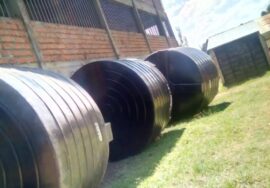
One of ATN-K’s most impactful areas of work is WASH infrastructure development.
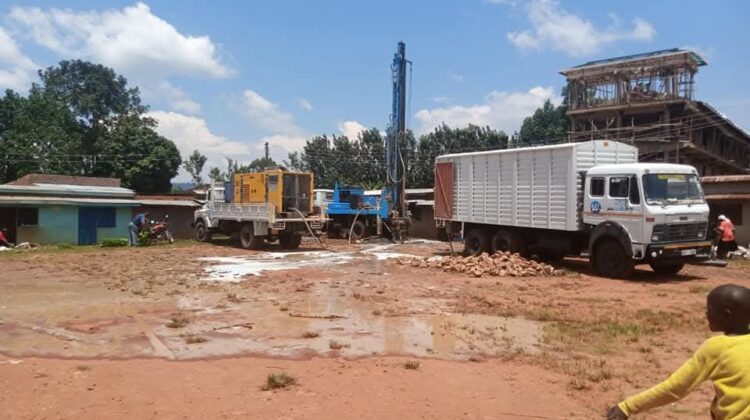
A flagship achievement is the Atela borehole project in Kabondo, Homa Bay County, implemented in partnership with Water Mission. This initiative:
- Provides clean and safe water to over 5,090 people
- Supplies water to three schools and surrounding villages
- Strengthens community health by reducing reliance on unsafe water sources
In addition, ATN-K has implemented water aquifer protection systems, including:
- Securing seven water aquifers
- Separating water use systems for livestock and human consumption to prevent contamination
These interventions contribute significantly to improved public health, reduced waterborne diseases, and enhanced community resilience.
3. Food Security and Livelihood Diversification
ATN-K has also made major contributions to food security, particularly in communities affected by declining fish stocks in Lake Victoria.
Key interventions include:
Solar Irrigation Projects
In partnership with international stakeholders, ATN-K introduced solar-powered irrigation kits for women’s groups in areas such as Karabondi, Rachuonyo North. These projects:
- Promote climate-smart agriculture
- Support income diversification beyond fishing
- Strengthen household food security
- Empower women economically
Agricultural Resilience
By introducing alternative livelihoods, ATN-K helps communities reduce overreliance on fishing while building sustainable agricultural production systems.
4. Renewable Energy and Infrastructure Development
ATN-K integrates renewable energy into community infrastructure to improve service delivery and sustainability.
Notable achievements include:
- Solar lighting installations in special needs schools and health facilities
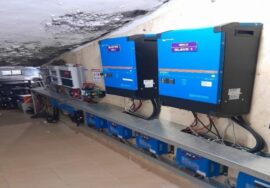
- Solar-powered water systems at institutions such as Apida Community Hospital in Kendu Bay
- Electrification support for community learning and health institutions
These interventions improve service delivery in underserved areas while reducing dependency on costly and unreliable energy sources.
5. Education, TVET, and Youth Empowerment
Education and skills development form a key pillar of ATN-K’s strategy.
The organization has supported multiple institutions through:
- Provision of ICT equipment and computers
- Internet connectivity to schools and vocational centers
- Support to institutions such as:
- Nyabondo Girls Boarding Primary School
- St Martin Deporres Special School
- Jwelu Vocational School
- Ringa Girls High School
Through these initiatives, ATN-K strengthens digital literacy, vocational skills development, and employability among youth.
6. Environmental Conservation and Climate Action
ATN-K is actively involved in environmental sustainability through:
- Forest regeneration programs
- Tree nursery establishment in schools
- Provision of seedlings and environmental training
- Protection of water catchment areas
These efforts contribute to biodiversity conservation, climate change mitigation, and long-term ecosystem restoration.
7. Current and Emerging Projects
ATN-K is currently implementing forward-looking initiatives designed to address emerging economic and environmental challenges:
Fish Preservation and Cold Storage Project
- Construction of cold storage facilities across seven beaches
- Reduction of post-harvest fish losses
- Improved income stability for fishing communities
Expanded Solar Irrigation Programs
- Enhancing climate resilience in agriculture
- Supporting food production in vulnerable communities
Circular Economy and Waste Management (Oyugis Town)
- Development of waste management systems using circular economy principles
- Promotion of recycling, composting, and potential waste-to-energy solutions
- Creation of new green economic opportunities
These projects demonstrate ATN-K’s shift toward innovative, sustainability-focused development models.
8. Strategic Partnerships and Collaboration
ATN-K’s impact is strengthened through partnerships with:
- International NGOs (including Water Mission)
- US Embassy-supported initiatives
- Belgian and Dutch development partners
- Local government and community stakeholders
These collaborations have enabled:
- Technology transfer
- Funding support for community projects
- Capacity building and skills development
- Expansion of renewable energy and ICT programs
Such partnerships position ATN-K as a strong intermediary between global development actors and local communities.
9. Organizational Strengths
ATN-K’s success is anchored in several key strengths:
- 15 years of community development experience
- Strong project management and implementation capacity
- Deep community trust and grassroots presence
- Ability to manage multi-sectoral development programs
- Strong international and local partnerships
- Commitment to sustainable, community-owned solutions
These strengths allow the organization to deliver impactful and scalable development interventions across diverse sectors.
10. Conclusion
Aid the Needy Kenya (ATN-K) continues to play a critical role in improving livelihoods across the Lake Victoria Basin. Through its integrated approach to water access, food security, education, renewable energy, and environmental conservation, the organization has directly impacted thousands of people while building long-term community resilience.
With ongoing innovations such as cold storage systems, solar irrigation expansion, and circular economy initiatives, ATN-K is positioning itself as a forward-thinking development partner capable of addressing both current and future challenges in Kenya’s rural and peri-urban communities.
Its continued growth and collaboration with international and local partners ensure that its impact will remain both relevant and sustainable in the years ahead.