Powering Education and Healthcare Through Clean, Sustainable Energy
The Renewable Energy for Schools & Health Facilities Project is one of Aid the Needy Kenya’s (ATN-K) flagship initiatives aimed at improving access to quality education and healthcare by providing reliable, affordable, and environmentally sustainable energy solutions to underserved communities.
Many rural schools and health facilities across Kenya face frequent power interruptions or have no access to electricity at all. This limits the delivery of essential services, hinders learning, affects patient care, and widens the gap between rural and urban communities.
Recognizing that access to reliable energy is a key driver of sustainable development, ATN-K works with development partners, government institutions, and local communities to install solar-powered energy systems that improve learning environments, strengthen healthcare services, and promote environmental sustainability.
By utilizing renewable energy technologies, the project reduces dependence on costly fossil fuels, lowers operational expenses, and ensures that schools and health facilities can provide uninterrupted services while contributing to climate change mitigation.
Many rural institutions continue to face significant energy-related challenges that affect service delivery.
These include:
Without dependable electricity, schools struggle to embrace digital education, while health facilities face challenges in providing safe and effective patient care.
The primary goal of the Renewable Energy for Schools & Health Facilities Project is:
To improve access to quality education and healthcare by providing clean, reliable, and sustainable renewable energy solutions that enhance service delivery, strengthen community resilience, and promote environmental sustainability.
The project seeks to:
ATN-K installs modern solar photovoltaic (PV) systems to provide reliable electricity for schools, health facilities, and community institutions.
These systems power:
The use of solar energy ensures uninterrupted service while reducing dependence on unreliable grid electricity and expensive fuel-powered generators.
Reliable electricity creates better learning environments for students and teachers.
The project supports schools by providing power for:
With access to electricity, learners can develop digital skills and benefit from technology-enhanced education that prepares them for the modern workforce.
Health facilities require dependable electricity to deliver quality healthcare services.
Through solar energy installations, the project supports:
Reliable electricity improves patient safety and enables healthcare workers to provide essential services around the clock.
In some institutions, the project integrates solar-powered water pumping systems to improve access to clean water for:
This integrated approach enhances both health and educational outcomes.
ATN-K equips schools, healthcare workers, and community representatives with knowledge on:
Building local technical capacity ensures the long-term sustainability of project investments.
The Renewable Energy for Schools & Health Facilities Project has delivered meaningful improvements across education, healthcare, and community development.
Reliable electricity enables schools to:
Students gain access to modern educational resources that improve learning outcomes and prepare them for future opportunities.
Healthcare facilities equipped with renewable energy experience improvements in:
Reliable power ensures that essential health services continue without interruption.
Solar energy significantly reduces electricity expenses and eliminates dependence on expensive diesel generators.
Savings generated through renewable energy can be redirected toward:
The project contributes to environmental conservation by:
Renewable energy plays a vital role in creating greener, healthier communities.
Reliable electricity strengthens community institutions by ensuring schools and health facilities remain operational during power interruptions and emergencies.
This contributes to:
Community ownership is fundamental to the success of the project.
ATN-K actively involves:
Communities participate in planning, implementation, maintenance, and oversight, ensuring that renewable energy systems are well managed and sustainable.
To ensure long-term success, ATN-K incorporates sustainability strategies that include:
These measures help protect investments while ensuring uninterrupted service for years to come.
The Renewable Energy for Schools & Health Facilities Project is implemented through collaboration with:
These partnerships combine technical expertise, financial resources, and community participation to maximize the project’s impact.
ATN-K’s organizational profile highlights support for solar electrification of schools and health facilities, as well as the provision of ICT equipment and internet connectivity to improve education and community services.
This project directly contributes to several United Nations Sustainable Development Goals, including:
By integrating renewable energy into schools and healthcare facilities, ATN-K advances inclusive development while addressing global sustainability priorities.
Building on the success of this initiative, ATN-K plans to:
The Renewable Energy for Schools & Health Facilities Project demonstrates how clean energy can transform lives by improving education, strengthening healthcare, reducing costs, and protecting the environment. Reliable electricity empowers teachers to educate more effectively, healthcare workers to save lives, and communities to access essential services with dignity and confidence.
At Aid the Needy Kenya (ATN-K), we believe that renewable energy is not only a solution to energy poverty but also a pathway to healthier, more educated, and more resilient communities. Through innovation, strategic partnerships, and community leadership, we continue to light the way toward a sustainable future for all.
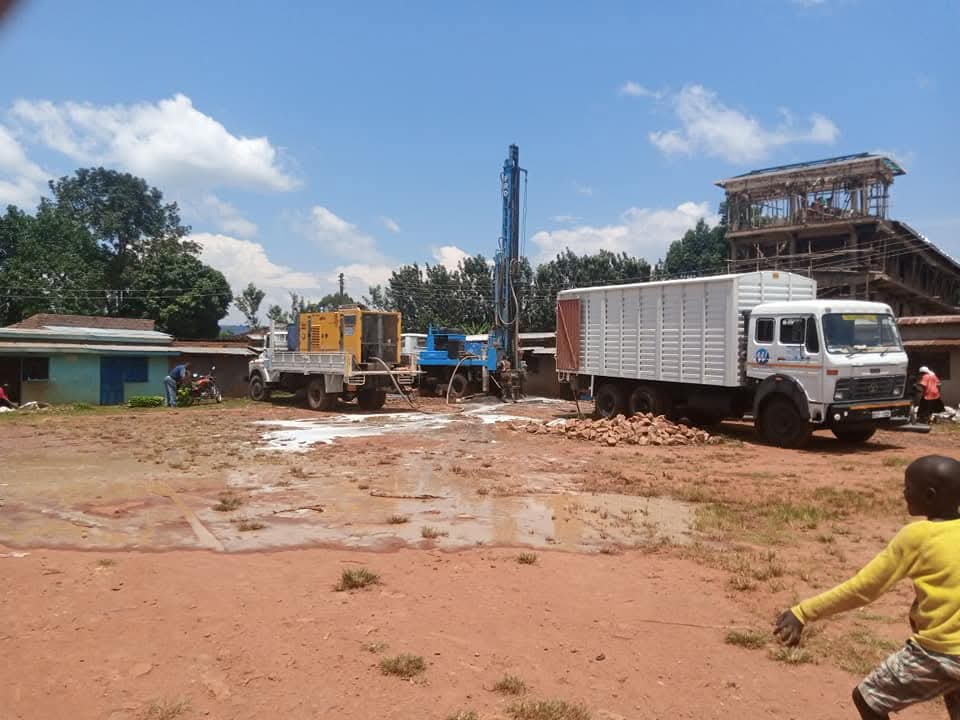
Before the Atela Community Water Project, I walked for nearly two hours every day to fetch water for my family. The water we collected was often unsafe, and our children frequently fell sick. Today, clean water is available much closer to our home, giving us more time for farming and caring for our families. This project has truly changed our lives, and we are deeply grateful to Aid the Needy Kenya for bringing hope to our community.
Reliable access to clean water has transformed not only our health but also our livelihoods. We no longer worry about where to find safe water during the dry season, and we can spend more time working on our farms instead of walking long distances. The Atela Water Project has restored dignity and created new opportunities for our community.
As a mother, seeing my children drink clean, safe water every day gives me peace of mind. They are healthier, attend school more regularly, and I now have time to participate in community development activities. The Atela Community Water Project has brought lasting change to our village. We appreciate Aid the Needy Kenya and its partners for investing in our future.
For over 15 years, Aid the Needy Kenya has partnered with communities, governments, and development organizations to fight poverty, improve livelihoods, and build resilient communities across Kenya’s Lake Victoria Basin through sustainable, community-driven development.
© Aid the Needy Kenya (ATN-K) – All Rights Reserved. This website was developed by STARVAS Systems