Empowering Farmers Through Sustainable Irrigation and Climate-Smart Agriculture
The Solar Irrigation Initiative is one of Aid the Needy Kenya’s (ATN-K) flagship agricultural development projects aimed at improving food security, increasing agricultural productivity, and strengthening the resilience of rural farming communities against the impacts of climate change.
Many smallholder farmers in Kenya depend entirely on seasonal rainfall to grow crops. However, unpredictable weather patterns, prolonged droughts, and rising temperatures have significantly reduced agricultural productivity, threatening food security and household incomes. Women and youth, who make up a large proportion of the agricultural workforce, are often the most affected by these challenges.
To address these issues, ATN-K introduced the Solar Irrigation Initiative, promoting the use of renewable solar energy to provide reliable and affordable irrigation for farming communities. By harnessing clean energy, the project enables farmers to cultivate crops throughout the year, increase production, reduce farming costs, and improve their livelihoods while protecting the environment.
This initiative aligns with ATN-K’s commitment to sustainable community development, renewable energy, climate resilience, and economic empowerment.
Many rural farmers face numerous barriers that limit agricultural productivity, including:
These challenges not only affect food production but also contribute to poverty, malnutrition, and economic vulnerability across rural communities.
The primary goal of the Solar Irrigation Initiative is:
To improve food security and strengthen rural livelihoods by providing sustainable, renewable energy-powered irrigation systems that enable year-round farming and climate-resilient agriculture.
The project seeks to:
The project installs solar-powered water pumping systems that provide a reliable supply of water for irrigation without relying on expensive diesel or petrol pumps.
These systems:
To maximize water availability, the project supports:
These investments ensure farmers have consistent access to water during both rainy and dry seasons.
ATN-K equips farmers with practical knowledge and skills through regular training sessions covering:
These training programs help farmers improve productivity while protecting natural resources.
Women play a critical role in agricultural production.
The Solar Irrigation Initiative intentionally supports women’s groups by:
By reducing the burden of manual farming and increasing production, women are able to improve the economic well-being of their families and communities.
The project promotes farming techniques that enable communities to adapt to changing climatic conditions.
These include:
Together, these approaches improve resilience while protecting the environment.
The Solar Irrigation Initiative has created positive social, economic, and environmental outcomes for participating communities.
Reliable irrigation allows farmers to grow crops throughout the year rather than relying solely on seasonal rainfall.
This has resulted in:
Year-round farming enables farmers to harvest more frequently and access markets consistently.
As a result, many households experience:
The project has expanded opportunities for women by enabling them to participate more actively in commercial agriculture and income-generating activities.
Women benefit through:
ATN-K’s organizational profile highlights the use of solar-powered irrigation to support women’s groups and strengthen sustainable livelihoods.
By replacing fossil fuel-powered pumps with solar technology, the project contributes to:
Renewable energy also lowers operating costs while protecting the environment.
Community ownership is central to the success of the Solar Irrigation Initiative.
Farmers actively participate in:
This collaborative approach strengthens local ownership and ensures long-term sustainability.
ATN-K has incorporated several measures to ensure the long-term success of the project.
These include:
These efforts help communities continue benefiting from the project well into the future.
The Solar Irrigation Initiative demonstrates the value of collaboration in achieving sustainable development.
ATN-K works alongside:
These partnerships help mobilize resources, technical expertise, and community participation to maximize impact.
Building on the success of the Solar Irrigation Initiative, ATN-K aims to expand the project by:
Through these efforts, ATN-K seeks to improve food security, create sustainable livelihoods, and build resilient farming communities across Kenya.
The Solar Irrigation Initiative demonstrates how renewable energy and sustainable agriculture can work together to transform rural communities. By providing reliable irrigation, strengthening food production, empowering women and youth, and promoting climate-smart farming, the project is helping families become more self-reliant and resilient.
At Aid the Needy Kenya (ATN-K), we believe that investing in sustainable agriculture is an investment in healthier families, stronger local economies, and a more food-secure future. Through innovation, partnerships, and community leadership, the Solar Irrigation Initiative continues to cultivate opportunity and lasting change across the communities we serve.
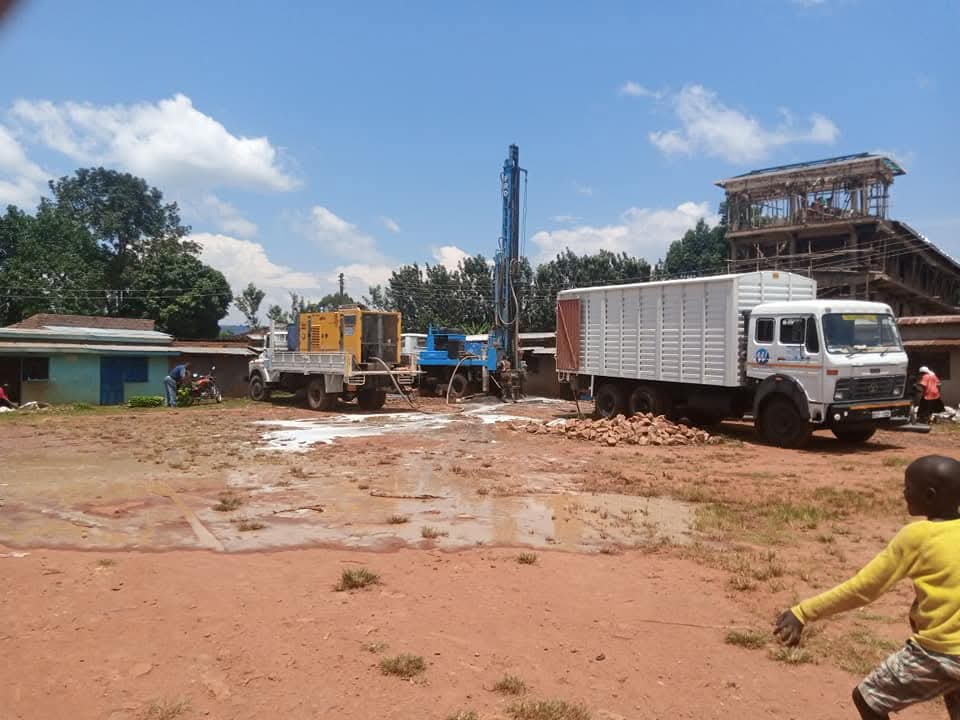
Before the Atela Community Water Project, I walked for nearly two hours every day to fetch water for my family. The water we collected was often unsafe, and our children frequently fell sick. Today, clean water is available much closer to our home, giving us more time for farming and caring for our families. This project has truly changed our lives, and we are deeply grateful to Aid the Needy Kenya for bringing hope to our community.
Reliable access to clean water has transformed not only our health but also our livelihoods. We no longer worry about where to find safe water during the dry season, and we can spend more time working on our farms instead of walking long distances. The Atela Water Project has restored dignity and created new opportunities for our community.
As a mother, seeing my children drink clean, safe water every day gives me peace of mind. They are healthier, attend school more regularly, and I now have time to participate in community development activities. The Atela Community Water Project has brought lasting change to our village. We appreciate Aid the Needy Kenya and its partners for investing in our future.
For over 15 years, Aid the Needy Kenya has partnered with communities, governments, and development organizations to fight poverty, improve livelihoods, and build resilient communities across Kenya’s Lake Victoria Basin through sustainable, community-driven development.
© Aid the Needy Kenya (ATN-K) – All Rights Reserved. This website was developed by STARVAS Systems