Providing Clean Water, Improving Health, and Transforming Lives
The Atela Community Water Project is one of the flagship initiatives implemented by Aid the Needy Kenya (ATN-K) under its Water, Sanitation, and Hygiene (WASH) program. The project was developed to address the persistent challenge of inadequate access to clean and safe water in Atela Location, Kabondo, Homa Bay County, where many households relied on unsafe water sources, exposing communities to waterborne diseases and limiting opportunities for education, health, and economic development.
Recognizing that access to safe water is a fundamental human right and a key driver of sustainable development, ATN-K partnered with Water Mission, a United States-based non-profit organization, to implement a community-centered water supply system that would provide reliable, safe, and affordable water to residents.
Before the project was implemented, many families in Atela and surrounding villages faced significant challenges in accessing clean water.
These challenges included:
Women and children often spent several hours every day collecting water, reducing time available for education, income-generating activities, and family care.
The primary goal of the Atela Community Water Project was:
To provide sustainable access to safe, clean, and reliable water while improving health, education, livelihoods, and community resilience.
The project involved the development of an integrated water supply system designed to serve households, schools, and institutions.
Key components included:
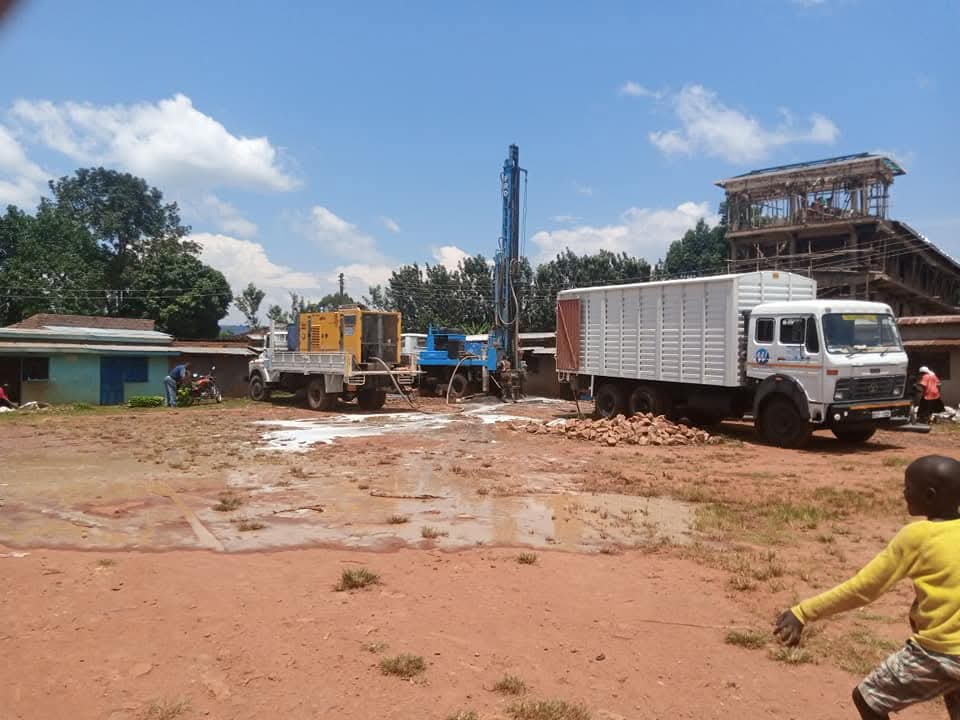
A borehole was drilled to provide a reliable source of groundwater capable of serving the growing water needs of the community.
Water infrastructure was established to distribute clean water to different points within the community, reducing travel distances and increasing accessibility.
The project connected three schools to the water supply system, ensuring that learners and teachers had access to safe drinking water and improved sanitation facilities.
Water collection points were established within villages to ensure equitable access to safe water for households.
The project integrated hygiene education to promote:
The Atela Community Water Project has created significant social, health, and economic benefits.
The project currently provides safe drinking water to more than 5,090 people, significantly reducing dependence on unsafe water sources.
Access to clean water has contributed to:
Children spend less time collecting water and more time in school. Schools connected to the project now have reliable water for:
The reduction in time spent fetching water has enabled women to engage in:
Reliable water access supports:
A key strength of the Atela Community Water Project is its emphasis on community ownership.
Community members participated in:
This participatory approach strengthens sustainability and ensures that the community remains actively involved in managing and protecting the water infrastructure.
ATN-K recognizes that long-term success depends on strong local systems.
The project promotes sustainability through:
These measures ensure that the water system continues serving future generations.
The success of the Atela Community Water Project demonstrates the power of partnerships in delivering sustainable development solutions.
The project brought together:
Through collaboration, the project achieved results that extend far beyond water provision, creating healthier, more productive, and more resilient communities.
Building on the success of the Atela Community Water Project, ATN-K aims to expand access to safe water by:
The Atela Community Water Project is more than a water initiative—it is a catalyst for transformation. By providing reliable access to clean water, the project has improved health, strengthened education, empowered women, supported livelihoods, and enhanced community resilience.
At Aid the Needy Kenya (ATN-K), we remain committed to working with communities and partners to ensure that every family has access to safe water and the opportunity to build a healthier, more prosperous future.
Clean water changes everything—and together, we are creating lasting impact, one community at a time.
Before the Atela Community Water Project, I walked for nearly two hours every day to fetch water for my family. The water we collected was often unsafe, and our children frequently fell sick. Today, clean water is available much closer to our home, giving us more time for farming and caring for our families. This project has truly changed our lives, and we are deeply grateful to Aid the Needy Kenya for bringing hope to our community.
Reliable access to clean water has transformed not only our health but also our livelihoods. We no longer worry about where to find safe water during the dry season, and we can spend more time working on our farms instead of walking long distances. The Atela Water Project has restored dignity and created new opportunities for our community.
As a mother, seeing my children drink clean, safe water every day gives me peace of mind. They are healthier, attend school more regularly, and I now have time to participate in community development activities. The Atela Community Water Project has brought lasting change to our village. We appreciate Aid the Needy Kenya and its partners for investing in our future.
For over 15 years, Aid the Needy Kenya has partnered with communities, governments, and development organizations to fight poverty, improve livelihoods, and build resilient communities across Kenya’s Lake Victoria Basin through sustainable, community-driven development.
© Aid the Needy Kenya (ATN-K) – All Rights Reserved. This website was developed by STARVAS Systems