Transforming Waste into Opportunity for Sustainable Communities
The Circular Economy & Waste Management Project is one of Aid the Needy Kenya’s (ATN-K) flagship environmental sustainability initiatives designed to promote responsible waste management, environmental conservation, resource efficiency, and green economic opportunities across communities in Kenya’s Lake Victoria Basin.
Rapid population growth, urbanization, and changing consumption patterns have led to increasing volumes of solid waste in both rural and peri-urban communities. Unfortunately, inadequate waste collection systems, poor disposal practices, and low recycling rates have contributed to environmental pollution, public health risks, blocked drainage systems, and degradation of valuable natural ecosystems.
ATN-K recognizes that waste should not be viewed simply as something to discard, but as a valuable resource that can be reused, recycled, and transformed into economic opportunities. Through this project, we promote the principles of a circular economy—an approach that minimizes waste by keeping materials in use for as long as possible through recycling, reuse, repair, composting, and innovation.
By empowering communities, supporting green enterprises, and strengthening local waste management systems, the project contributes to cleaner environments, healthier communities, job creation, and climate resilience.
Many communities continue to face serious waste management challenges, including:
Improper waste management not only affects public health but also threatens biodiversity, water resources, agriculture, tourism, and local livelihoods.
The primary goal of the Circular Economy & Waste Management Project is:
To promote sustainable waste management practices, reduce environmental pollution, create green economic opportunities, and build resilient communities through circular economy principles.
The project aims to:
ATN-K supports the establishment of organized waste management systems that encourage households and institutions to separate waste at the source.
Communities are trained to segregate waste into:
Waste segregation improves recycling efficiency while reducing the amount of waste sent to landfills.
The project promotes recycling by encouraging communities to recover valuable materials that can be reintroduced into the economy.
Materials include:
These materials can be transformed into new products, reducing environmental pollution while creating income opportunities.
Organic waste represents a significant portion of household waste.
ATN-K trains farmers and households to convert biodegradable waste into high-quality compost that can be used for:
Composting reduces landfill waste while supporting climate-smart agriculture.
Plastic pollution remains one of the greatest threats to ecosystems and water bodies.
The project promotes:
These interventions help protect rivers, wetlands, and communities from pollution.
Waste can become a valuable economic resource.
ATN-K supports youth and women’s groups to establish environmentally friendly businesses such as:
These enterprises create employment while contributing to environmental sustainability.
Long-term change begins with education.
ATN-K conducts awareness programs covering:
Schools, youth groups, businesses, and local communities are encouraged to become champions of environmental stewardship.
The Circular Economy & Waste Management Project has generated significant environmental, social, and economic benefits.
Improved waste management has resulted in:
Communities benefit from safer and more attractive living environments.
Through recycling and responsible waste disposal, the project contributes to:
These outcomes support healthier ecosystems and biodiversity conservation.
The project creates sustainable livelihood opportunities through:
Youth and women particularly benefit from new income-generating opportunities within the green economy.
The use of compost improves:
This supports food security while reducing dependence on chemical fertilizers.
Thousands of community members participate in environmental education activities, leading to:
Communities become active partners in protecting their environment.
Community ownership is central to the success of the project.
ATN-K works closely with:
Community members participate in planning, clean-up campaigns, recycling initiatives, awareness activities, and environmental monitoring.
To ensure long-term success, ATN-K promotes:
These strategies help establish lasting environmental and economic benefits.
The Circular Economy & Waste Management Project is implemented in collaboration with:
These partnerships strengthen technical expertise, resource mobilization, and community participation while promoting sustainable environmental practices.
The project contributes directly to several United Nations Sustainable Development Goals, including:
By integrating environmental conservation with economic empowerment, the project supports inclusive and sustainable development.
ATN-K is committed to expanding the Circular Economy & Waste Management Project by:
These future initiatives will help build cleaner communities, create sustainable livelihoods, and promote responsible resource management.
The Circular Economy & Waste Management Project demonstrates that environmental protection and economic development can go hand in hand. By transforming waste into valuable resources, creating green jobs, promoting recycling, and empowering communities with sustainable practices, ATN-K is helping build healthier environments and stronger local economies.
At Aid the Needy Kenya (ATN-K), we believe that every community has the power to turn environmental challenges into opportunities for growth and resilience. Through innovation, education, and collaboration, we are fostering a circular economy that benefits people, protects the environment, and contributes to a more sustainable future for Kenya’s Lake Victoria Basin.
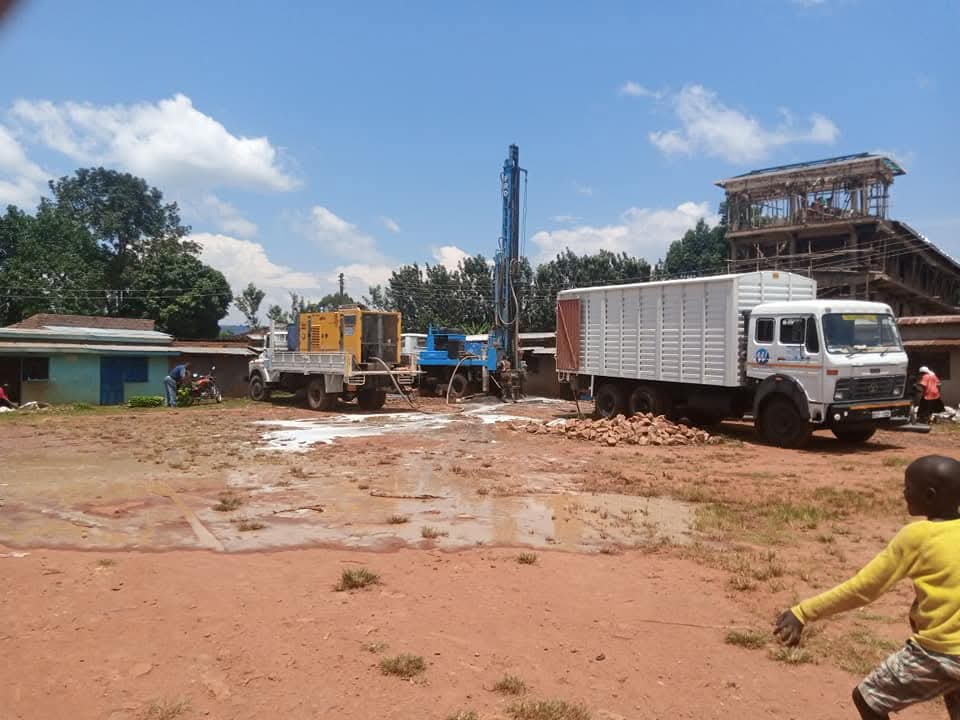
Before the Atela Community Water Project, I walked for nearly two hours every day to fetch water for my family. The water we collected was often unsafe, and our children frequently fell sick. Today, clean water is available much closer to our home, giving us more time for farming and caring for our families. This project has truly changed our lives, and we are deeply grateful to Aid the Needy Kenya for bringing hope to our community.
Reliable access to clean water has transformed not only our health but also our livelihoods. We no longer worry about where to find safe water during the dry season, and we can spend more time working on our farms instead of walking long distances. The Atela Water Project has restored dignity and created new opportunities for our community.
As a mother, seeing my children drink clean, safe water every day gives me peace of mind. They are healthier, attend school more regularly, and I now have time to participate in community development activities. The Atela Community Water Project has brought lasting change to our village. We appreciate Aid the Needy Kenya and its partners for investing in our future.
For over 15 years, Aid the Needy Kenya has partnered with communities, governments, and development organizations to fight poverty, improve livelihoods, and build resilient communities across Kenya’s Lake Victoria Basin through sustainable, community-driven development.
© Aid the Needy Kenya (ATN-K) – All Rights Reserved. This website was developed by STARVAS Systems