Improving Health, Saving Lives, and Building Stronger Communities
The Community Health & Maternal Care Project is one of Aid the Needy Kenya’s (ATN-K) flagship health initiatives dedicated to improving access to quality healthcare services for vulnerable communities, particularly women, children, adolescents, and underserved populations living in rural areas across Kenya’s Lake Victoria Basin.
Access to quality healthcare remains a significant challenge for many rural communities. Long distances to health facilities, shortages of medical equipment, limited healthcare personnel, inadequate maternal services, poor sanitation, and preventable diseases continue to threaten the well-being of families. Pregnant women and young children are among the most vulnerable, often facing preventable complications due to delayed or inadequate access to essential healthcare.
ATN-K works closely with local communities, county health departments, healthcare providers, and development partners to strengthen community health systems, improve maternal and child health services, promote disease prevention, and ensure that families have access to life-saving healthcare.
By combining health education, community outreach, improved healthcare infrastructure, clean water initiatives, and renewable energy solutions, the project contributes to healthier communities and sustainable development.
Many rural communities continue to experience barriers that limit access to quality healthcare.
These challenges include:
These challenges contribute to preventable illnesses, poor maternal outcomes, and reduced quality of life for many families.
The primary goal of the Community Health & Maternal Care Project is:
To improve community health outcomes by strengthening primary healthcare services, promoting maternal and child health, preventing disease, and empowering communities to lead healthier lives.
The project aims to:
ATN-K supports initiatives that improve healthcare for mothers and children before, during, and after pregnancy.
Key activities include:
These interventions contribute to healthier pregnancies and improved child survival.
Healthcare services are extended beyond hospitals through community outreach programs.
ATN-K organizes:
These outreach programs improve healthcare access for remote and underserved communities.
Prevention is a cornerstone of community health.
ATN-K educates communities on:
Health education empowers individuals to make informed decisions that improve their well-being.
Good health begins with clean water and proper sanitation.
The project promotes:
By integrating WASH into health programming, ATN-K helps reduce waterborne diseases and improve community health outcomes.
ATN-K strengthens healthcare facilities by supporting improvements such as:
Improved infrastructure enables health workers to provide better and more reliable healthcare services.
Community Health Workers (CHWs) play a critical role in delivering healthcare at the household level.
ATN-K supports CHWs through training on:
Strengthening community health workers improves healthcare access and early intervention.
The Community Health & Maternal Care Project has generated significant improvements in health and well-being across participating communities.
Women benefit from:
These services contribute to healthier mothers and safer childbirth experiences.
Children benefit from:
Healthy children are more likely to attend school regularly and thrive.
Community education and improved sanitation contribute to lower rates of preventable diseases, including:
Healthier communities experience improved productivity and reduced healthcare costs.
Healthcare facilities supported by ATN-K are better equipped to deliver essential services through:
ATN-K’s organizational profile highlights support for health facility solar electrification and broader community health initiatives that improve access to essential services.
Health education enables families to:
Community participation strengthens ownership and sustainability of health interventions.
Community engagement is central to the project’s success.
ATN-K collaborates with:
Communities actively participate in planning, implementation, awareness campaigns, and monitoring to ensure health programs address local priorities.
ATN-K promotes long-term sustainability through:
These measures ensure that health improvements continue long after individual project activities are completed.
The Community Health & Maternal Care Project is implemented in partnership with:
These partnerships strengthen healthcare delivery while maximizing resources and expertise.
The project contributes directly to several United Nations Sustainable Development Goals, including:
By integrating healthcare, education, clean water, and community empowerment, the project supports holistic and sustainable development.
ATN-K aims to expand the Community Health & Maternal Care Project by:
These future initiatives will help ensure that more families receive the quality healthcare they need to live healthy, productive lives.
The Community Health & Maternal Care Project reflects ATN-K’s commitment to improving the health and well-being of vulnerable communities through accessible, equitable, and sustainable healthcare services. By strengthening maternal and child health, promoting disease prevention, improving healthcare infrastructure, and empowering communities with knowledge, the project is creating healthier families and more resilient communities.
At Aid the Needy Kenya (ATN-K), we believe that healthy communities are the foundation of sustainable development. Through collaboration, innovation, and community leadership, we are working toward a future where every mother, every child, and every family has the opportunity to live a healthy and dignified life.
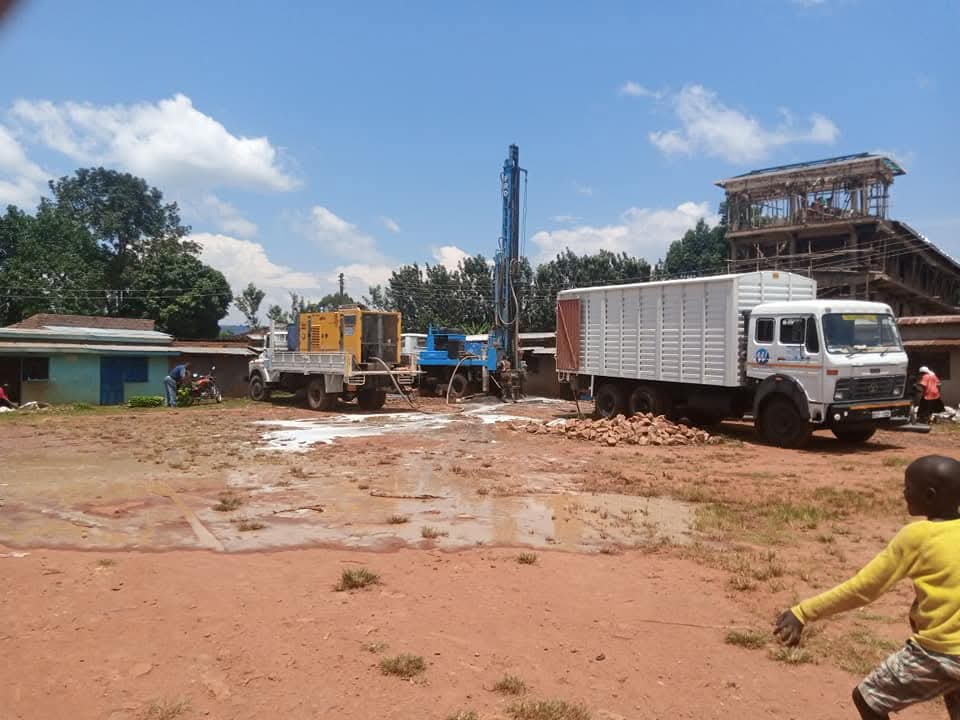
Before the Atela Community Water Project, I walked for nearly two hours every day to fetch water for my family. The water we collected was often unsafe, and our children frequently fell sick. Today, clean water is available much closer to our home, giving us more time for farming and caring for our families. This project has truly changed our lives, and we are deeply grateful to Aid the Needy Kenya for bringing hope to our community.
Reliable access to clean water has transformed not only our health but also our livelihoods. We no longer worry about where to find safe water during the dry season, and we can spend more time working on our farms instead of walking long distances. The Atela Water Project has restored dignity and created new opportunities for our community.
As a mother, seeing my children drink clean, safe water every day gives me peace of mind. They are healthier, attend school more regularly, and I now have time to participate in community development activities. The Atela Community Water Project has brought lasting change to our village. We appreciate Aid the Needy Kenya and its partners for investing in our future.
For over 15 years, Aid the Needy Kenya has partnered with communities, governments, and development organizations to fight poverty, improve livelihoods, and build resilient communities across Kenya’s Lake Victoria Basin through sustainable, community-driven development.
© Aid the Needy Kenya (ATN-K) – All Rights Reserved. This website was developed by STARVAS Systems