Protecting Nature, Building Resilient Communities, and Securing a Sustainable Future
The Environmental Conservation & Climate Resilience Project is one of Aid the Needy Kenya’s (ATN-K) flagship initiatives dedicated to protecting natural ecosystems, restoring degraded environments, and strengthening the capacity of communities to adapt to the growing impacts of climate change.
Communities across Kenya’s Lake Victoria Basin depend heavily on natural resources for their livelihoods. However, increasing deforestation, land degradation, unsustainable farming practices, pollution, and changing weather patterns have placed tremendous pressure on ecosystems, threatening water resources, biodiversity, food security, and household incomes.
To address these challenges, ATN-K works closely with local communities, county governments, schools, environmental organizations, and development partners to implement sustainable environmental conservation initiatives that restore ecosystems while promoting climate-smart livelihoods.
Through integrated environmental management, climate adaptation, community education, and sustainable natural resource use, the project contributes to healthier ecosystems and more resilient communities.
Climate change and environmental degradation continue to affect vulnerable communities across rural Kenya.
Key challenges include:
These environmental challenges directly impact food production, water availability, public health, and economic development.
The primary goal of the Environmental Conservation & Climate Resilience Project is:
To conserve natural ecosystems, restore degraded landscapes, and strengthen community resilience to climate change through sustainable environmental management and community-led conservation initiatives.
The project aims to:
ATN-K supports large-scale tree planting initiatives that restore degraded landscapes while protecting biodiversity and improving ecosystem health.
Activities include:
Tree planting helps reduce soil erosion, improve rainfall infiltration, capture carbon dioxide, and restore wildlife habitats.
Healthy ecosystems are essential for sustainable water supplies.
The project supports:
Protecting water sources improves access to clean water while strengthening climate resilience.
ATN-K’s organizational profile highlights forest regeneration and water aquifer protection as part of its environmental conservation efforts.
The project promotes agricultural practices that increase productivity while protecting natural resources.
Farmers receive training on:
These approaches help communities adapt to changing climatic conditions while improving food security.
Long-term conservation requires informed and engaged communities.
ATN-K conducts awareness campaigns covering:
These educational initiatives encourage responsible environmental stewardship across all age groups.
ATN-K empowers communities to become active custodians of their natural environment by supporting:
This participatory approach ensures conservation efforts are locally owned and sustainable.
The Environmental Conservation & Climate Resilience Project has delivered meaningful environmental, social, and economic benefits.
Tree planting and habitat restoration have contributed to:
Protection of water catchments has resulted in:
Communities benefit from more reliable water supplies for domestic use, agriculture, and livestock.
Communities participating in the project are better equipped to adapt to climate-related challenges through:
These interventions reduce vulnerability to droughts, floods, and other climate-related shocks.
Healthy ecosystems support sustainable economic activities including:
Environmental conservation and economic development work together to improve household incomes while protecting natural resources.
Through continuous education and outreach, communities have become more actively involved in:
This growing environmental consciousness contributes to long-term sustainability.
Community ownership is central to the success of the project.
ATN-K works alongside:
Community members actively participate in planning, implementation, monitoring, and maintenance of conservation initiatives, ensuring local ownership and accountability.
To ensure lasting impact, ATN-K has integrated sustainability into every stage of the project.
Key strategies include:
These measures empower communities to continue protecting their environment well beyond the life of individual projects.
The Environmental Conservation & Climate Resilience Project is implemented through collaboration with:
These partnerships enhance technical expertise, resource mobilization, and community participation while expanding the reach and sustainability of conservation efforts.
The project contributes directly to several global development goals, including:
By integrating environmental conservation with community development, ATN-K helps build resilient ecosystems and sustainable livelihoods.
ATN-K is committed to expanding environmental conservation initiatives by:
These future initiatives will help protect natural resources while improving the well-being of current and future generations.
The Environmental Conservation & Climate Resilience Project demonstrates that protecting the environment is essential for achieving sustainable development. By restoring forests, safeguarding water sources, promoting climate-smart agriculture, and empowering communities to become environmental stewards, ATN-K is creating a future where people and nature thrive together.
At Aid the Needy Kenya (ATN-K), we believe that healthy ecosystems are the foundation of healthy communities. Through collaboration, innovation, and community leadership, we are building resilience to climate change while preserving Kenya’s natural heritage for generations to come.
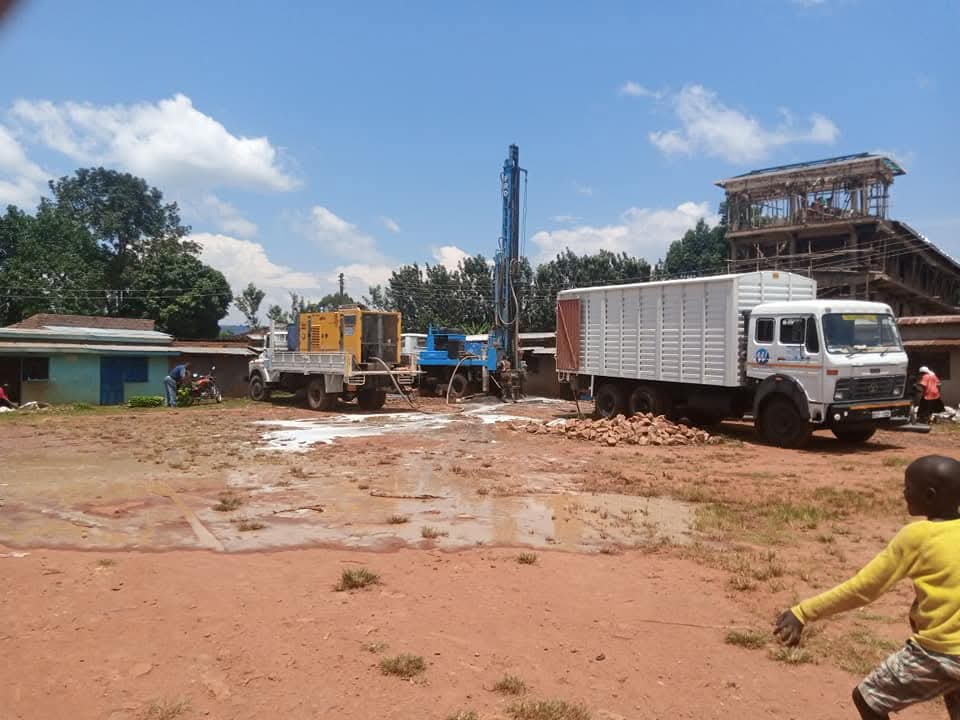
Before the Atela Community Water Project, I walked for nearly two hours every day to fetch water for my family. The water we collected was often unsafe, and our children frequently fell sick. Today, clean water is available much closer to our home, giving us more time for farming and caring for our families. This project has truly changed our lives, and we are deeply grateful to Aid the Needy Kenya for bringing hope to our community.
Reliable access to clean water has transformed not only our health but also our livelihoods. We no longer worry about where to find safe water during the dry season, and we can spend more time working on our farms instead of walking long distances. The Atela Water Project has restored dignity and created new opportunities for our community.
As a mother, seeing my children drink clean, safe water every day gives me peace of mind. They are healthier, attend school more regularly, and I now have time to participate in community development activities. The Atela Community Water Project has brought lasting change to our village. We appreciate Aid the Needy Kenya and its partners for investing in our future.
For over 15 years, Aid the Needy Kenya has partnered with communities, governments, and development organizations to fight poverty, improve livelihoods, and build resilient communities across Kenya’s Lake Victoria Basin through sustainable, community-driven development.
© Aid the Needy Kenya (ATN-K) – All Rights Reserved. This website was developed by STARVAS Systems