Reducing Post-Harvest Losses and Empowering Fishing Communities
The Fish Preservation & Cold Storage Project is one of Aid the Needy Kenya’s (ATN-K) key livelihood development initiatives aimed at improving the economic well-being of fishing communities across Kenya’s Lake Victoria Basin. The project addresses one of the most significant challenges facing small-scale fishers—post-harvest losses caused by inadequate fish preservation and cold storage facilities.
Fishing is a major source of income, food security, and employment for thousands of households in the region. However, many fishermen and fish traders experience substantial financial losses because freshly caught fish deteriorates quickly before it reaches markets. Limited access to refrigeration, poor storage infrastructure, and unreliable electricity often force fishers to sell their catch at low prices or lose it entirely.
To address these challenges, ATN-K established the Fish Preservation & Cold Storage Project to provide sustainable cold storage solutions, strengthen local fish value chains, improve food safety, and increase incomes for fishing households. By integrating renewable energy technologies, community participation, and market linkages, the project supports long-term economic growth while promoting sustainable fisheries management.
The project reflects ATN-K’s commitment to empowering communities through innovative, environmentally sustainable, and evidence-based development solutions.
Fishing communities around Lake Victoria face numerous challenges that affect productivity and household incomes.
These include:
Without adequate preservation facilities, fish often spoil within hours, leading to significant economic losses and increased food waste.
The primary goal of the Fish Preservation & Cold Storage Project is:
To reduce post-harvest fish losses, improve food safety, strengthen market access, and increase household incomes through sustainable fish preservation and cold storage solutions.
The project aims to:
ATN-K supports the establishment of modern cold storage facilities that allow fishing communities to preserve fresh fish before transportation and sale.
These facilities help:
Proper fish handling is essential for maintaining product quality.
ATN-K provides training on:
These skills improve the value and competitiveness of fish products in local and regional markets.
Where feasible, the project promotes renewable energy technologies, including solar-powered refrigeration systems, to provide reliable and environmentally friendly cold storage.
These solutions:
The project strengthens connections between fishing communities and buyers by improving:
This enables fishers to negotiate better prices and access larger markets.
ATN-K works closely with fishing communities to strengthen local institutions through:
These initiatives ensure communities can sustainably manage project resources and maximize economic benefits.
The Fish Preservation & Cold Storage Project has created significant social and economic benefits for fishing communities.
Access to cold storage significantly reduces fish spoilage, allowing fishers to preserve their catch for longer periods and minimize waste.
By preserving fish quality and extending shelf life, fishermen and traders can sell their products at better prices instead of accepting low prices due to the risk of spoilage.
This has contributed to:
Proper preservation ensures that consumers receive safer, higher-quality fish products while reducing foodborne health risks.
Women play an important role in fish processing and marketing.
The project supports women by:
The project creates employment opportunities for young people in:
Community ownership is central to the success of the project.
Fishing communities actively participate in:
This participatory approach strengthens sustainability while promoting accountability and local leadership.
ATN-K is committed to ensuring the long-term success of the project through:
These measures enable communities to continue benefiting from the project long after implementation.
The Fish Preservation & Cold Storage Project is strengthened through collaboration with:
These partnerships improve technical support, market access, and the long-term sustainability of project investments.
The project contributes directly to ATN-K’s broader mission of reducing poverty and empowering vulnerable communities through sustainable development. It complements the organization’s work in:
ATN-K’s organizational profile notes support for cold storage facilities for fishing communities as part of its efforts to improve livelihoods and strengthen local economies.
ATN-K plans to expand the Fish Preservation & Cold Storage Project by:
These future investments will help create more resilient fishing communities while improving food security and economic opportunities.
The Fish Preservation & Cold Storage Project demonstrates how strategic investments in infrastructure, renewable energy, and community capacity can transform livelihoods. By reducing post-harvest losses, improving product quality, strengthening market access, and creating new income opportunities, the project enables fishing communities to build more secure and sustainable futures.
At Aid the Needy Kenya (ATN-K), we believe that empowering local communities with practical, sustainable solutions is key to lasting development. Through innovation, collaboration, and community leadership, we are helping ensure that every catch contributes to healthier families, stronger local economies, and a more prosperous Lake Victoria Basin.
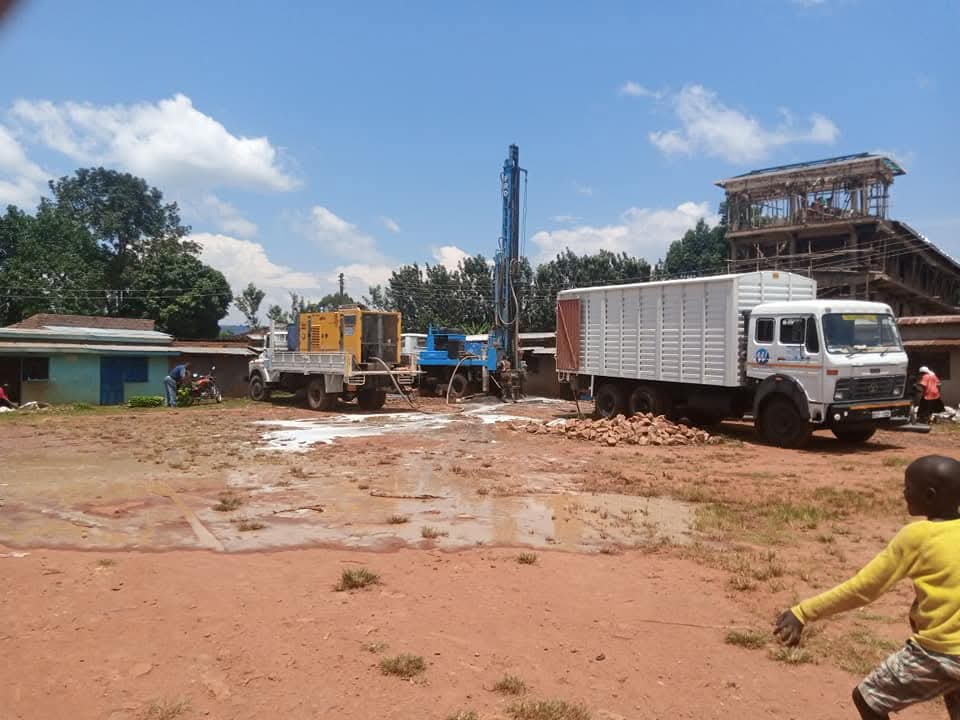
Before the Atela Community Water Project, I walked for nearly two hours every day to fetch water for my family. The water we collected was often unsafe, and our children frequently fell sick. Today, clean water is available much closer to our home, giving us more time for farming and caring for our families. This project has truly changed our lives, and we are deeply grateful to Aid the Needy Kenya for bringing hope to our community.
Reliable access to clean water has transformed not only our health but also our livelihoods. We no longer worry about where to find safe water during the dry season, and we can spend more time working on our farms instead of walking long distances. The Atela Water Project has restored dignity and created new opportunities for our community.
As a mother, seeing my children drink clean, safe water every day gives me peace of mind. They are healthier, attend school more regularly, and I now have time to participate in community development activities. The Atela Community Water Project has brought lasting change to our village. We appreciate Aid the Needy Kenya and its partners for investing in our future.
For over 15 years, Aid the Needy Kenya has partnered with communities, governments, and development organizations to fight poverty, improve livelihoods, and build resilient communities across Kenya’s Lake Victoria Basin through sustainable, community-driven development.
© Aid the Needy Kenya (ATN-K) – All Rights Reserved. This website was developed by STARVAS Systems