
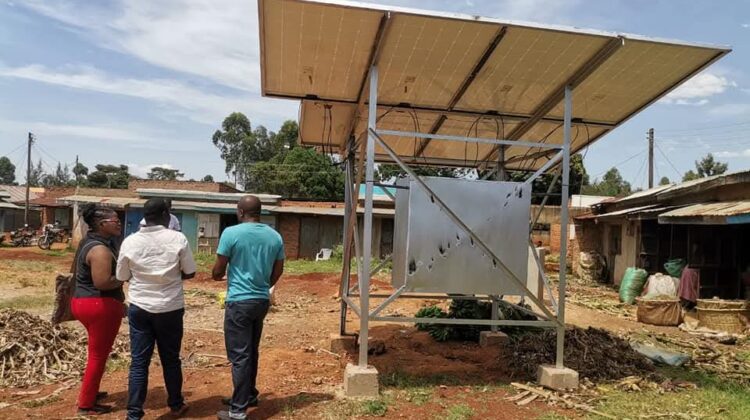
The Role of Renewable Energy in Community Development
Powering Sustainable Growth Across Kenya’s Rural Communities
Published by Aid the Needy Kenya (ATN-K)
Introduction
Access to reliable, affordable, and clean energy is a cornerstone of sustainable development. Across many rural communities in Kenya, limited access to electricity continues to hinder economic growth, healthcare delivery, education, and overall quality of life. Families rely on expensive and environmentally harmful energy sources, businesses struggle to operate efficiently, and schools and health facilities often lack dependable power.
At Aid the Needy Kenya (ATN-K), we believe renewable energy is more than an environmental solution—it is a powerful catalyst for community transformation. Through sustainable energy initiatives, we are helping communities unlock new opportunities, improve essential services, protect the environment, and build resilience against climate change.
Why Renewable Energy Matters
Energy powers nearly every aspect of daily life. Without reliable electricity, communities face barriers that limit development and economic progress.
Renewable energy offers sustainable alternatives that:
- Improve access to education
- Strengthen healthcare services
- Support agriculture and food security
- Create employment opportunities
- Promote entrepreneurship
- Reduce energy costs
- Protect the environment
- Increase resilience to climate change
Unlike fossil fuels, renewable energy sources such as solar and wind are clean, sustainable, and readily available across Kenya.
Renewable Energy and Community Development
Renewable energy is transforming rural communities by providing dependable power where conventional electricity infrastructure is limited or unavailable.
ATN-K promotes renewable energy solutions that improve livelihoods while reducing environmental impact.
Our renewable energy initiatives include:
- Solar-powered water pumping systems
- Solar electrification of schools
- Solar power for health facilities
- Community solar lighting
- Clean energy awareness campaigns
- Energy-efficient technologies
- Climate-smart community infrastructure
These interventions improve access to essential services while creating opportunities for sustainable economic development.
Improving Education Through Clean Energy
Reliable electricity creates better learning environments.
Many rural schools struggle with inadequate lighting, limited access to digital technologies, and unreliable electricity.
ATN-K supports renewable energy projects that help schools:
- Power computer laboratories
- Improve digital learning
- Extend study hours
- Provide reliable classroom lighting
- Support internet connectivity
- Enhance vocational training
Access to electricity allows learners to benefit from modern educational resources while equipping them with digital skills needed for the future.
Strengthening Healthcare Services
Healthcare facilities require reliable energy to provide quality services.
Renewable energy enables health centers to:
- Store vaccines safely
- Operate essential medical equipment
- Improve maternity services
- Provide emergency care at night
- Ensure clean water availability
- Enhance patient safety
ATN-K has supported renewable energy initiatives in health facilities, helping improve healthcare delivery in underserved communities through partnerships that provided solar power installations.
Supporting Sustainable Agriculture
Agriculture remains the backbone of rural livelihoods.
Renewable energy strengthens agricultural production by powering:
- Solar irrigation systems
- Water pumps
- Food preservation facilities
- Agro-processing equipment
- Cold storage systems
These technologies help farmers increase productivity, reduce production costs, minimize post-harvest losses, and improve household incomes.
ATN-K has implemented solar irrigation initiatives that support women’s groups and farming communities by promoting climate-smart agriculture and alternative livelihoods.
Creating Economic Opportunities
Access to clean energy stimulates local economies.
Renewable energy enables communities to:
- Establish small businesses
- Improve productivity
- Create employment
- Expand value addition
- Support local enterprises
- Encourage innovation
Reliable electricity reduces operating costs while opening new opportunities for entrepreneurship and economic growth.
Protecting the Environment
Climate change poses significant challenges for communities across Kenya.
Renewable energy contributes to environmental conservation by:
- Reducing greenhouse gas emissions
- Lowering dependence on fossil fuels
- Protecting forests from excessive firewood harvesting
- Improving air quality
- Supporting sustainable natural resource management
ATN-K integrates renewable energy with environmental conservation programs, recognizing that healthy ecosystems and sustainable energy go hand in hand.
Building Climate Resilience
Communities increasingly face unpredictable weather patterns, prolonged droughts, and environmental degradation.
Renewable energy helps communities adapt by supporting:
- Solar-powered irrigation
- Water security initiatives
- Climate-smart agriculture
- Sustainable livelihoods
- Disaster preparedness
These solutions strengthen resilience while reducing vulnerability to climate-related shocks.
The Power of Partnerships
ATN-K recognizes that sustainable energy solutions require collaboration.
Through partnerships with development organizations, government agencies, educational institutions, and local communities, we continue expanding access to renewable energy technologies.
Our collaborations have enabled:
- Solar lighting installations in schools
- Solar-powered health facilities
- ICT infrastructure development
- Renewable energy awareness
- Skills development for young people
These initiatives demonstrate how partnerships accelerate sustainable development while ensuring communities remain at the center of every solution.
Looking Ahead
The demand for clean, affordable energy continues to grow.
ATN-K remains committed to expanding renewable energy access by:
- Installing more solar-powered water systems
- Electrifying schools and health facilities
- Supporting renewable energy entrepreneurship
- Promoting clean cooking technologies
- Building local technical capacity
- Encouraging climate-smart innovations
- Expanding community awareness programs
By investing in renewable energy today, we are creating healthier, more resilient, and economically vibrant communities for generations to come.