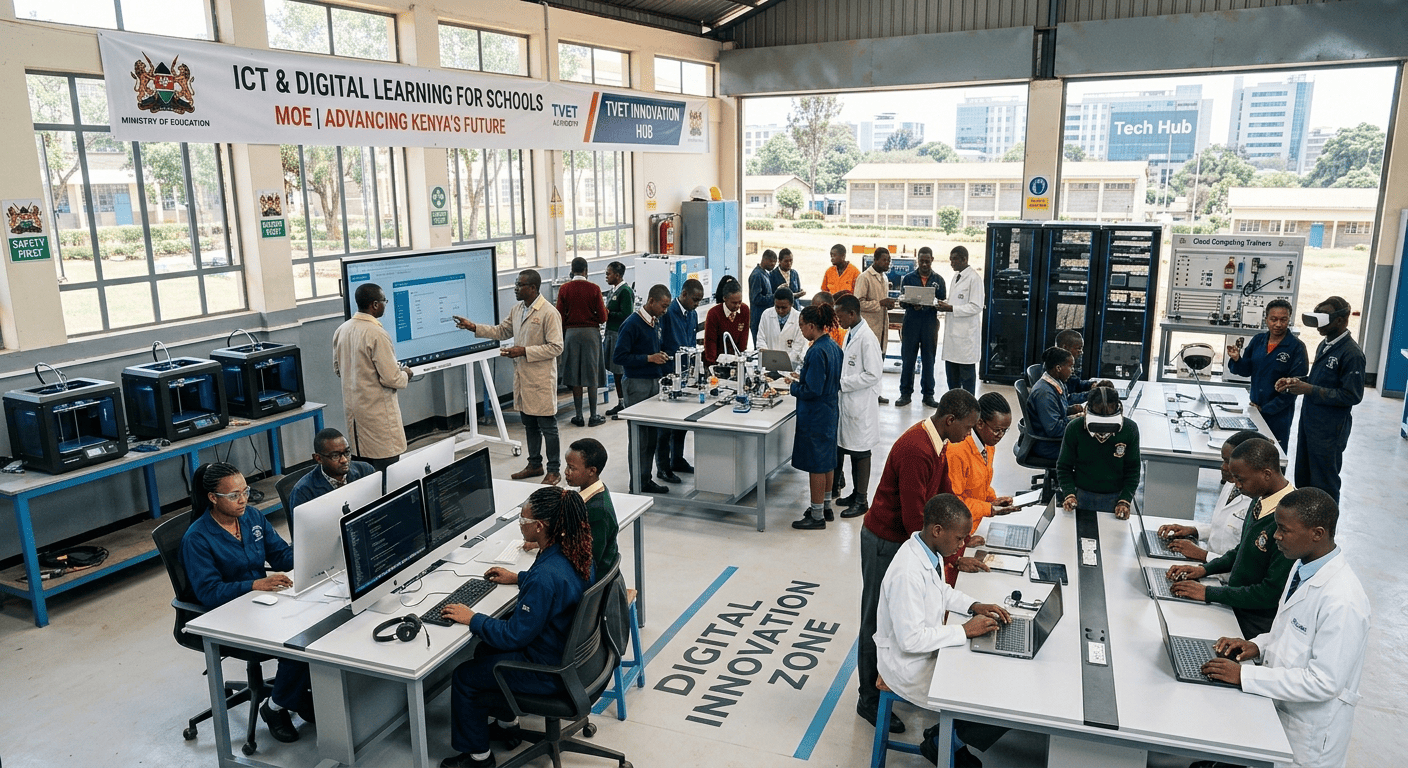
Bridging the Digital Divide and Empowering the Next Generation Through Technology
The Digital Learning & ICT for Schools Project is one of Aid the Needy Kenya’s (ATN-K) flagship education initiatives aimed at improving access to quality, inclusive, and technology-driven education for learners in underserved communities across Kenya’s Lake Victoria Basin.
In today’s digital world, access to Information and Communication Technology (ICT) has become essential for quality education, innovation, and economic development. However, many rural schools continue to face significant barriers, including limited ICT infrastructure, inadequate internet connectivity, lack of digital learning resources, and insufficient teacher training. These challenges prevent learners from acquiring the digital competencies needed to thrive in the 21st-century economy.
To address these challenges, ATN-K collaborates with schools, Technical and Vocational Education and Training (TVET) institutions, county governments, development partners, and the private sector to strengthen digital education by providing ICT equipment, improving internet access, promoting digital literacy, and enhancing teachers’ capacity to integrate technology into teaching and learning.
Through this project, ATN-K is helping bridge the digital divide, improve educational outcomes, and prepare learners with the knowledge and skills required for higher education, employment, entrepreneurship, and innovation.
Many schools in rural Kenya continue to face challenges that limit effective digital learning.
These include:
Without access to digital learning tools, students are disadvantaged in an increasingly technology-driven world.
The primary goal of the Digital Learning & ICT for Schools Project is:
To improve access to quality, technology-enabled education by strengthening ICT infrastructure, promoting digital literacy, and creating inclusive learning environments that prepare learners for the digital economy.
The project aims to:
ATN-K supports schools by improving their ICT infrastructure through the provision of modern technology resources.
Support includes:
These resources create modern learning environments that enhance both teaching and learning.
ATN-K’s organizational profile highlights support for ICT equipment and internet connectivity for schools and TVET institutions as part of its education initiatives.
Reliable internet access opens new opportunities for learners and educators.
The project helps schools establish:
Internet connectivity enables schools to access global knowledge and participate in digital learning opportunities.
ATN-K promotes the use of digital content that enhances classroom instruction and independent learning.
Resources include:
These tools support more engaging, interactive, and learner-centered education.
Technology is most effective when educators have the skills to use it confidently.
ATN-K provides professional development for teachers in:
Teacher training ensures that technology becomes an effective part of everyday learning.
The project equips learners with practical digital skills that prepare them for higher education and employment.
Students receive training in:
These competencies build confidence and improve future career opportunities.
ATN-K encourages innovation by promoting Science, Technology, Engineering, and Mathematics (STEM) education.
Schools are supported to:
These activities prepare learners to become future innovators and leaders.
The Digital Learning & ICT for Schools Project has significantly improved educational opportunities for participating schools.
Technology-enhanced learning has contributed to:
Digital tools make learning more interactive, accessible, and relevant.
Students gain practical ICT skills that prepare them for:
Digital literacy has become an essential life skill for every learner.
Teachers benefit from:
Educators become more effective in delivering high-quality education.
The project helps narrow the technology gap between rural and urban schools by providing learners in underserved communities with access to modern educational technologies.
This promotes more equitable access to quality education.
Improved education contributes to broader community development by:
Education serves as a catalyst for sustainable social and economic development.
Community ownership is essential to the project’s success.
ATN-K works closely with:
Communities participate in identifying priorities, maintaining ICT infrastructure, and supporting digital learning initiatives.
To ensure long-term success, ATN-K promotes:
These strategies ensure schools continue benefiting from technology well into the future.
The Digital Learning & ICT for Schools Project is implemented through collaboration with:
These partnerships strengthen technical expertise, improve resource mobilization, and expand access to digital education.
This project contributes directly to several United Nations Sustainable Development Goals, including:
By promoting digital inclusion and strengthening education systems, the project supports sustainable and inclusive development.
ATN-K is committed to expanding the Digital Learning & ICT for Schools Project by:
These future initiatives will prepare more learners with the skills needed to succeed in an increasingly digital world.
The Digital Learning & ICT for Schools Project reflects ATN-K’s commitment to ensuring that every learner has access to quality, technology-enabled education regardless of where they live. By improving ICT infrastructure, expanding internet connectivity, strengthening teacher capacity, and promoting digital literacy, the project is preparing young people for success in higher education, employment, entrepreneurship, and the digital economy.
At Aid the Needy Kenya (ATN-K), we believe that digital education is a powerful driver of social and economic transformation. Through innovation, strategic partnerships, and community engagement, we are bridging the digital divide and empowering the next generation with the knowledge, skills, and confidence to shape a brighter and more sustainable future.
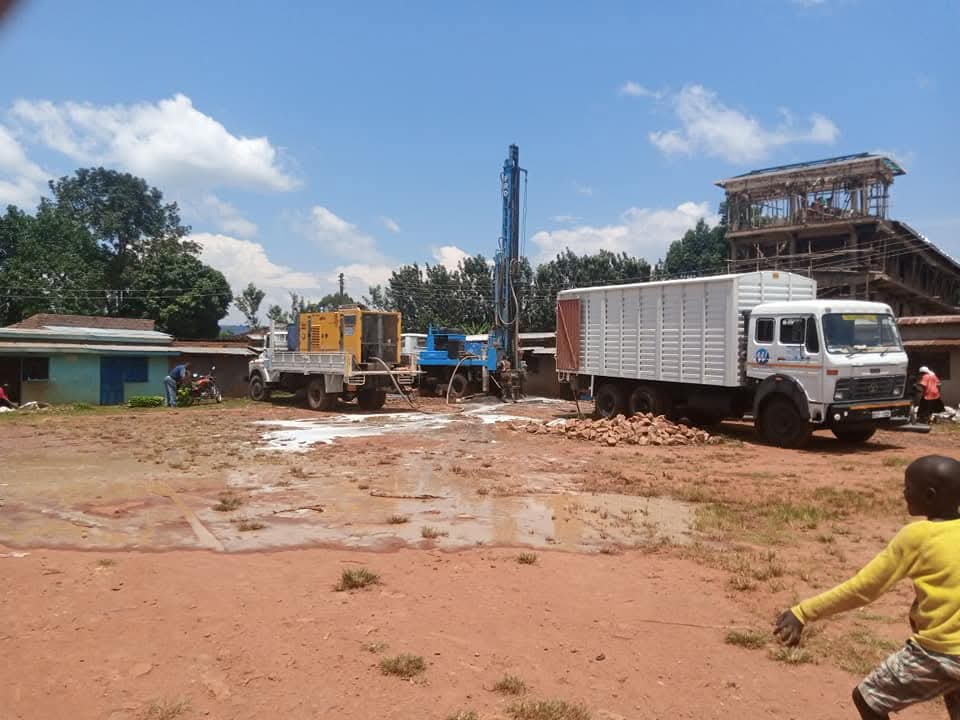
Before the Atela Community Water Project, I walked for nearly two hours every day to fetch water for my family. The water we collected was often unsafe, and our children frequently fell sick. Today, clean water is available much closer to our home, giving us more time for farming and caring for our families. This project has truly changed our lives, and we are deeply grateful to Aid the Needy Kenya for bringing hope to our community.
Reliable access to clean water has transformed not only our health but also our livelihoods. We no longer worry about where to find safe water during the dry season, and we can spend more time working on our farms instead of walking long distances. The Atela Water Project has restored dignity and created new opportunities for our community.
As a mother, seeing my children drink clean, safe water every day gives me peace of mind. They are healthier, attend school more regularly, and I now have time to participate in community development activities. The Atela Community Water Project has brought lasting change to our village. We appreciate Aid the Needy Kenya and its partners for investing in our future.
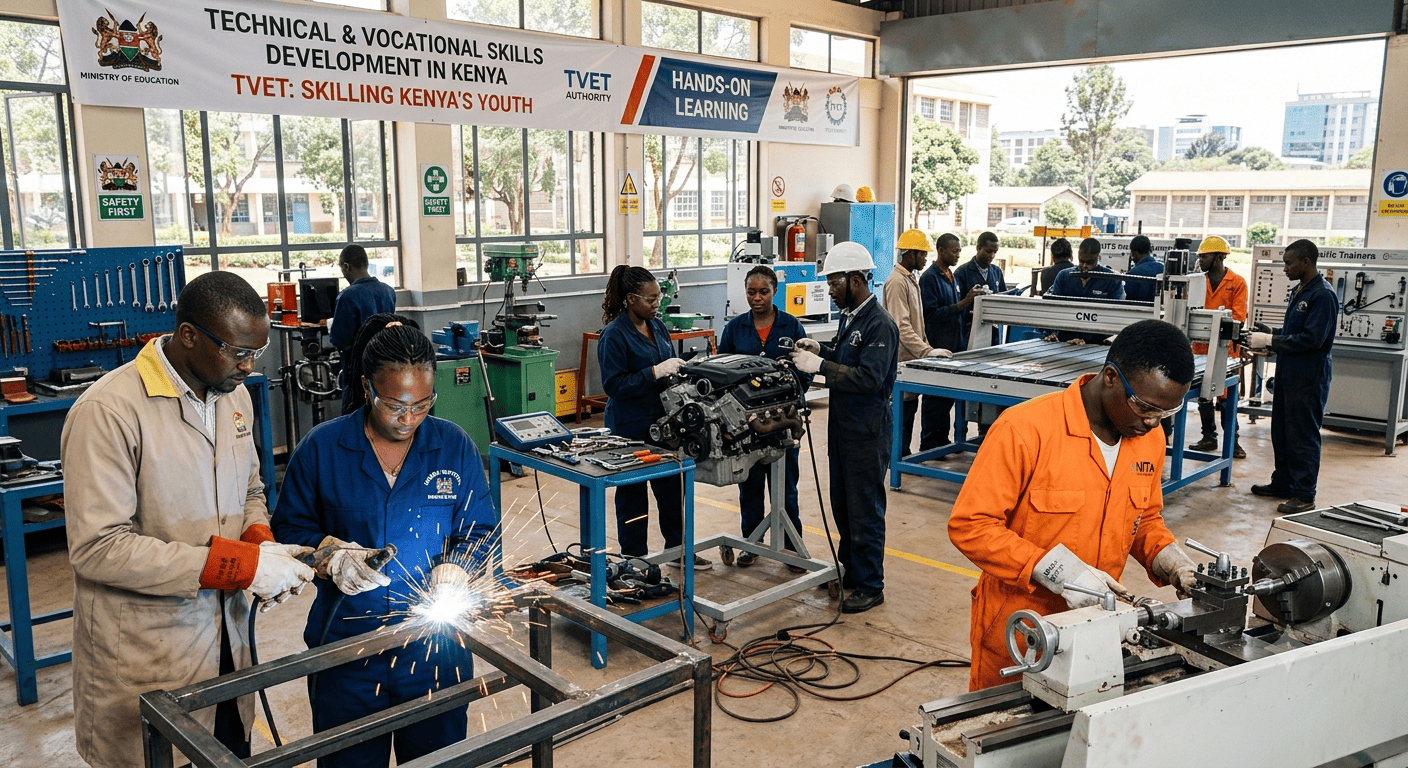
Equipping Youth and Communities with Skills for Employment, Entrepreneurship, and Sustainable Livelihoods
The Technical & Vocational Skills Development Project is one of Aid the Needy Kenya’s (ATN-K) flagship empowerment initiatives designed to equip young people, women, and vulnerable community members with practical, market-relevant skills that enhance employability, promote entrepreneurship, and foster sustainable economic growth.
Despite Kenya’s growing economy, many young people continue to face unemployment and underemployment due to limited access to technical education, vocational training, digital skills, and business development opportunities. Rural communities are particularly affected, where access to quality training institutions and employment opportunities remains limited.
Recognizing that skills development is essential for breaking the cycle of poverty, ATN-K partners with Technical and Vocational Education and Training (TVET) institutions, government agencies, the private sector, and development partners to provide inclusive, high-quality training programs that prepare individuals for meaningful employment, self-employment, and lifelong learning.
The project combines technical training, entrepreneurship development, digital literacy, life skills, mentorship, and industry partnerships to empower participants with the knowledge and confidence needed to thrive in today’s evolving economy.
Many young people and vulnerable populations face barriers that prevent them from accessing employment and economic opportunities.
These challenges include:
Without practical skills and employment opportunities, many young people struggle to secure sustainable livelihoods, increasing poverty and economic vulnerability.
The primary goal of the Technical & Vocational Skills Development Project is:
To empower youth, women, and vulnerable community members with practical technical, vocational, entrepreneurial, and digital skills that enhance employability, promote innovation, and create sustainable livelihoods.
The project seeks to:
ATN-K supports vocational training in practical fields that respond to local labour market demands.
Training areas may include:
These programs equip participants with hands-on skills that improve their employability and earning potential.
In today’s digital economy, technology skills are increasingly essential.
The project provides training in:
Digital literacy enables participants to access broader employment opportunities and participate in the digital economy.
ATN-K’s organizational profile highlights support for ICT equipment, internet connectivity, and technical education, demonstrating its commitment to expanding digital learning opportunities.
Technical skills alone are not always enough to secure economic independence.
ATN-K equips participants with entrepreneurial knowledge in:
These skills empower graduates to establish and manage successful small businesses.
The project supports participants throughout their career journey through:
Mentorship helps participants build confidence while making informed career decisions.
ATN-K promotes inclusive access to vocational education by encouraging participation from:
Special attention is given to removing barriers that limit access to training and employment opportunities.
Practical experience is essential for career success.
ATN-K collaborates with employers, industries, and training institutions to facilitate:
These partnerships improve participants’ transition from training into employment.
The Technical & Vocational Skills Development Project has created significant economic and social benefits.
Participants graduate with practical skills that improve their ability to secure employment across multiple industries.
Many beneficiaries obtain jobs in sectors such as:
Entrepreneurship training enables graduates to establish their own businesses, contributing to:
Small enterprises stimulate local economies while creating employment opportunities for others.
Women participating in the project gain valuable technical and entrepreneurial skills that strengthen their financial independence.
Benefits include:
Young people develop practical competencies that reduce unemployment and enhance their ability to contribute positively to society.
The project helps youth become:
Digital literacy training expands access to technology and online opportunities by enabling participants to:
Community ownership plays a central role in the success of the project.
ATN-K works closely with:
Communities help identify training needs, recruit participants, and support graduates as they transition into employment or entrepreneurship.
ATN-K ensures long-term impact through:
These measures ensure participants continue to grow professionally and economically after completing their training.
The Technical & Vocational Skills Development Project is implemented through collaboration with:
These partnerships strengthen training quality, increase employment opportunities, and promote innovation.
The project contributes directly to several United Nations Sustainable Development Goals, including:
By investing in technical skills, entrepreneurship, and digital literacy, ATN-K supports inclusive economic growth and sustainable development.
ATN-K plans to expand the Technical & Vocational Skills Development Project by:
These future investments will prepare more individuals for the demands of a rapidly changing labour market while strengthening local economies.
The Technical & Vocational Skills Development Project reflects ATN-K’s commitment to empowering individuals through education, practical skills, and economic opportunity. By providing industry-relevant training, promoting entrepreneurship, and fostering innovation, the project equips participants with the tools they need to build sustainable livelihoods and contribute to the development of their communities.
At Aid the Needy Kenya (ATN-K), we believe that investing in people is one of the most effective ways to create lasting change. Through technical education, lifelong learning, and strategic partnerships, we are helping young people and vulnerable communities unlock their potent
Before the Atela Community Water Project, I walked for nearly two hours every day to fetch water for my family. The water we collected was often unsafe, and our children frequently fell sick. Today, clean water is available much closer to our home, giving us more time for farming and caring for our families. This project has truly changed our lives, and we are deeply grateful to Aid the Needy Kenya for bringing hope to our community.
Reliable access to clean water has transformed not only our health but also our livelihoods. We no longer worry about where to find safe water during the dry season, and we can spend more time working on our farms instead of walking long distances. The Atela Water Project has restored dignity and created new opportunities for our community.
As a mother, seeing my children drink clean, safe water every day gives me peace of mind. They are healthier, attend school more regularly, and I now have time to participate in community development activities. The Atela Community Water Project has brought lasting change to our village. We appreciate Aid the Needy Kenya and its partners for investing in our future.
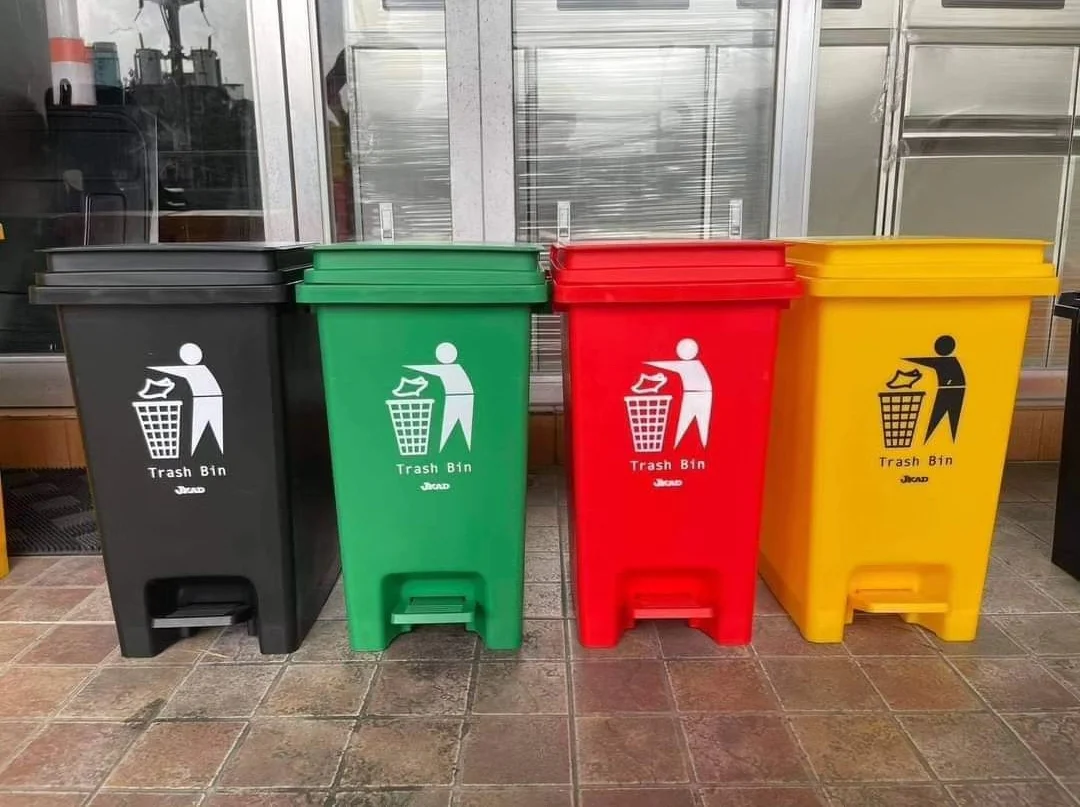
Transforming Waste into Opportunity for Sustainable Communities
The Circular Economy & Waste Management Project is one of Aid the Needy Kenya’s (ATN-K) flagship environmental sustainability initiatives designed to promote responsible waste management, environmental conservation, resource efficiency, and green economic opportunities across communities in Kenya’s Lake Victoria Basin.
Rapid population growth, urbanization, and changing consumption patterns have led to increasing volumes of solid waste in both rural and peri-urban communities. Unfortunately, inadequate waste collection systems, poor disposal practices, and low recycling rates have contributed to environmental pollution, public health risks, blocked drainage systems, and degradation of valuable natural ecosystems.
ATN-K recognizes that waste should not be viewed simply as something to discard, but as a valuable resource that can be reused, recycled, and transformed into economic opportunities. Through this project, we promote the principles of a circular economy—an approach that minimizes waste by keeping materials in use for as long as possible through recycling, reuse, repair, composting, and innovation.
By empowering communities, supporting green enterprises, and strengthening local waste management systems, the project contributes to cleaner environments, healthier communities, job creation, and climate resilience.
Many communities continue to face serious waste management challenges, including:
Improper waste management not only affects public health but also threatens biodiversity, water resources, agriculture, tourism, and local livelihoods.
The primary goal of the Circular Economy & Waste Management Project is:
To promote sustainable waste management practices, reduce environmental pollution, create green economic opportunities, and build resilient communities through circular economy principles.
The project aims to:
ATN-K supports the establishment of organized waste management systems that encourage households and institutions to separate waste at the source.
Communities are trained to segregate waste into:
Waste segregation improves recycling efficiency while reducing the amount of waste sent to landfills.
The project promotes recycling by encouraging communities to recover valuable materials that can be reintroduced into the economy.
Materials include:
These materials can be transformed into new products, reducing environmental pollution while creating income opportunities.
Organic waste represents a significant portion of household waste.
ATN-K trains farmers and households to convert biodegradable waste into high-quality compost that can be used for:
Composting reduces landfill waste while supporting climate-smart agriculture.
Plastic pollution remains one of the greatest threats to ecosystems and water bodies.
The project promotes:
These interventions help protect rivers, wetlands, and communities from pollution.
Waste can become a valuable economic resource.
ATN-K supports youth and women’s groups to establish environmentally friendly businesses such as:
These enterprises create employment while contributing to environmental sustainability.
Long-term change begins with education.
ATN-K conducts awareness programs covering:
Schools, youth groups, businesses, and local communities are encouraged to become champions of environmental stewardship.
The Circular Economy & Waste Management Project has generated significant environmental, social, and economic benefits.
Improved waste management has resulted in:
Communities benefit from safer and more attractive living environments.
Through recycling and responsible waste disposal, the project contributes to:
These outcomes support healthier ecosystems and biodiversity conservation.
The project creates sustainable livelihood opportunities through:
Youth and women particularly benefit from new income-generating opportunities within the green economy.
The use of compost improves:
This supports food security while reducing dependence on chemical fertilizers.
Thousands of community members participate in environmental education activities, leading to:
Communities become active partners in protecting their environment.
Community ownership is central to the success of the project.
ATN-K works closely with:
Community members participate in planning, clean-up campaigns, recycling initiatives, awareness activities, and environmental monitoring.
To ensure long-term success, ATN-K promotes:
These strategies help establish lasting environmental and economic benefits.
The Circular Economy & Waste Management Project is implemented in collaboration with:
These partnerships strengthen technical expertise, resource mobilization, and community participation while promoting sustainable environmental practices.
The project contributes directly to several United Nations Sustainable Development Goals, including:
By integrating environmental conservation with economic empowerment, the project supports inclusive and sustainable development.
ATN-K is committed to expanding the Circular Economy & Waste Management Project by:
These future initiatives will help build cleaner communities, create sustainable livelihoods, and promote responsible resource management.
The Circular Economy & Waste Management Project demonstrates that environmental protection and economic development can go hand in hand. By transforming waste into valuable resources, creating green jobs, promoting recycling, and empowering communities with sustainable practices, ATN-K is helping build healthier environments and stronger local economies.
At Aid the Needy Kenya (ATN-K), we believe that every community has the power to turn environmental challenges into opportunities for growth and resilience. Through innovation, education, and collaboration, we are fostering a circular economy that benefits people, protects the environment, and contributes to a more sustainable future for Kenya’s Lake Victoria Basin.
Before the Atela Community Water Project, I walked for nearly two hours every day to fetch water for my family. The water we collected was often unsafe, and our children frequently fell sick. Today, clean water is available much closer to our home, giving us more time for farming and caring for our families. This project has truly changed our lives, and we are deeply grateful to Aid the Needy Kenya for bringing hope to our community.
Reliable access to clean water has transformed not only our health but also our livelihoods. We no longer worry about where to find safe water during the dry season, and we can spend more time working on our farms instead of walking long distances. The Atela Water Project has restored dignity and created new opportunities for our community.
As a mother, seeing my children drink clean, safe water every day gives me peace of mind. They are healthier, attend school more regularly, and I now have time to participate in community development activities. The Atela Community Water Project has brought lasting change to our village. We appreciate Aid the Needy Kenya and its partners for investing in our future.
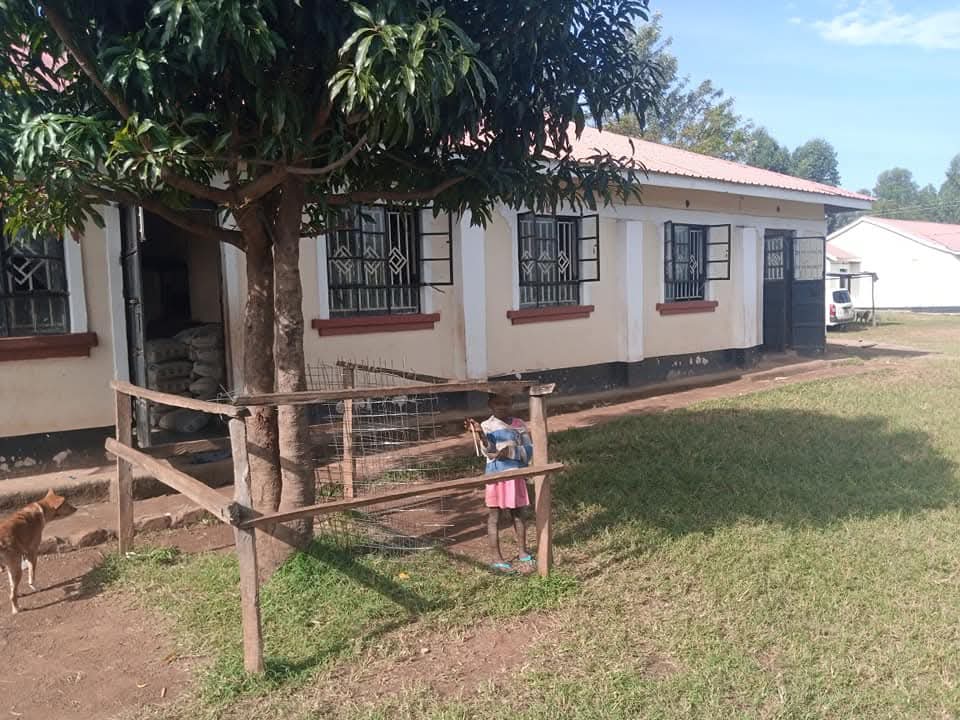
Improving Health, Saving Lives, and Building Stronger Communities
The Community Health & Maternal Care Project is one of Aid the Needy Kenya’s (ATN-K) flagship health initiatives dedicated to improving access to quality healthcare services for vulnerable communities, particularly women, children, adolescents, and underserved populations living in rural areas across Kenya’s Lake Victoria Basin.
Access to quality healthcare remains a significant challenge for many rural communities. Long distances to health facilities, shortages of medical equipment, limited healthcare personnel, inadequate maternal services, poor sanitation, and preventable diseases continue to threaten the well-being of families. Pregnant women and young children are among the most vulnerable, often facing preventable complications due to delayed or inadequate access to essential healthcare.
ATN-K works closely with local communities, county health departments, healthcare providers, and development partners to strengthen community health systems, improve maternal and child health services, promote disease prevention, and ensure that families have access to life-saving healthcare.
By combining health education, community outreach, improved healthcare infrastructure, clean water initiatives, and renewable energy solutions, the project contributes to healthier communities and sustainable development.
Many rural communities continue to experience barriers that limit access to quality healthcare.
These challenges include:
These challenges contribute to preventable illnesses, poor maternal outcomes, and reduced quality of life for many families.
The primary goal of the Community Health & Maternal Care Project is:
To improve community health outcomes by strengthening primary healthcare services, promoting maternal and child health, preventing disease, and empowering communities to lead healthier lives.
The project aims to:
ATN-K supports initiatives that improve healthcare for mothers and children before, during, and after pregnancy.
Key activities include:
These interventions contribute to healthier pregnancies and improved child survival.
Healthcare services are extended beyond hospitals through community outreach programs.
ATN-K organizes:
These outreach programs improve healthcare access for remote and underserved communities.
Prevention is a cornerstone of community health.
ATN-K educates communities on:
Health education empowers individuals to make informed decisions that improve their well-being.
Good health begins with clean water and proper sanitation.
The project promotes:
By integrating WASH into health programming, ATN-K helps reduce waterborne diseases and improve community health outcomes.
ATN-K strengthens healthcare facilities by supporting improvements such as:
Improved infrastructure enables health workers to provide better and more reliable healthcare services.
Community Health Workers (CHWs) play a critical role in delivering healthcare at the household level.
ATN-K supports CHWs through training on:
Strengthening community health workers improves healthcare access and early intervention.
The Community Health & Maternal Care Project has generated significant improvements in health and well-being across participating communities.
Women benefit from:
These services contribute to healthier mothers and safer childbirth experiences.
Children benefit from:
Healthy children are more likely to attend school regularly and thrive.
Community education and improved sanitation contribute to lower rates of preventable diseases, including:
Healthier communities experience improved productivity and reduced healthcare costs.
Healthcare facilities supported by ATN-K are better equipped to deliver essential services through:
ATN-K’s organizational profile highlights support for health facility solar electrification and broader community health initiatives that improve access to essential services.
Health education enables families to:
Community participation strengthens ownership and sustainability of health interventions.
Community engagement is central to the project’s success.
ATN-K collaborates with:
Communities actively participate in planning, implementation, awareness campaigns, and monitoring to ensure health programs address local priorities.
ATN-K promotes long-term sustainability through:
These measures ensure that health improvements continue long after individual project activities are completed.
The Community Health & Maternal Care Project is implemented in partnership with:
These partnerships strengthen healthcare delivery while maximizing resources and expertise.
The project contributes directly to several United Nations Sustainable Development Goals, including:
By integrating healthcare, education, clean water, and community empowerment, the project supports holistic and sustainable development.
ATN-K aims to expand the Community Health & Maternal Care Project by:
These future initiatives will help ensure that more families receive the quality healthcare they need to live healthy, productive lives.
The Community Health & Maternal Care Project reflects ATN-K’s commitment to improving the health and well-being of vulnerable communities through accessible, equitable, and sustainable healthcare services. By strengthening maternal and child health, promoting disease prevention, improving healthcare infrastructure, and empowering communities with knowledge, the project is creating healthier families and more resilient communities.
At Aid the Needy Kenya (ATN-K), we believe that healthy communities are the foundation of sustainable development. Through collaboration, innovation, and community leadership, we are working toward a future where every mother, every child, and every family has the opportunity to live a healthy and dignified life.
Before the Atela Community Water Project, I walked for nearly two hours every day to fetch water for my family. The water we collected was often unsafe, and our children frequently fell sick. Today, clean water is available much closer to our home, giving us more time for farming and caring for our families. This project has truly changed our lives, and we are deeply grateful to Aid the Needy Kenya for bringing hope to our community.
Reliable access to clean water has transformed not only our health but also our livelihoods. We no longer worry about where to find safe water during the dry season, and we can spend more time working on our farms instead of walking long distances. The Atela Water Project has restored dignity and created new opportunities for our community.
As a mother, seeing my children drink clean, safe water every day gives me peace of mind. They are healthier, attend school more regularly, and I now have time to participate in community development activities. The Atela Community Water Project has brought lasting change to our village. We appreciate Aid the Needy Kenya and its partners for investing in our future.
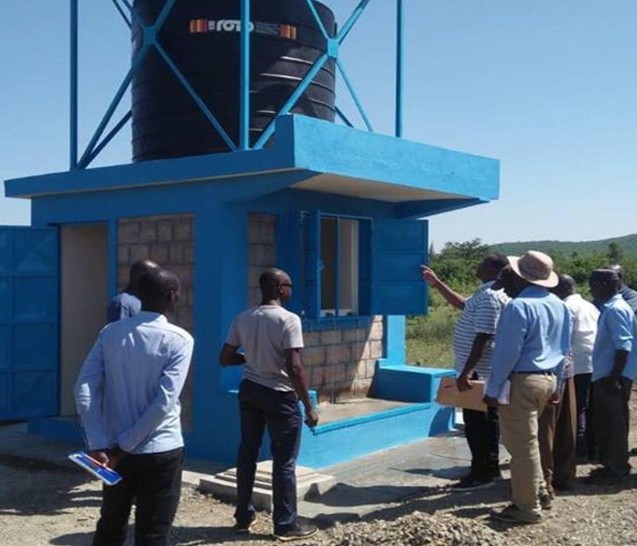
Empowering Farmers Through Sustainable Irrigation and Climate-Smart Agriculture
The Solar Irrigation Initiative is one of Aid the Needy Kenya’s (ATN-K) flagship agricultural development projects aimed at improving food security, increasing agricultural productivity, and strengthening the resilience of rural farming communities against the impacts of climate change.
Many smallholder farmers in Kenya depend entirely on seasonal rainfall to grow crops. However, unpredictable weather patterns, prolonged droughts, and rising temperatures have significantly reduced agricultural productivity, threatening food security and household incomes. Women and youth, who make up a large proportion of the agricultural workforce, are often the most affected by these challenges.
To address these issues, ATN-K introduced the Solar Irrigation Initiative, promoting the use of renewable solar energy to provide reliable and affordable irrigation for farming communities. By harnessing clean energy, the project enables farmers to cultivate crops throughout the year, increase production, reduce farming costs, and improve their livelihoods while protecting the environment.
This initiative aligns with ATN-K’s commitment to sustainable community development, renewable energy, climate resilience, and economic empowerment.
Many rural farmers face numerous barriers that limit agricultural productivity, including:
These challenges not only affect food production but also contribute to poverty, malnutrition, and economic vulnerability across rural communities.
The primary goal of the Solar Irrigation Initiative is:
To improve food security and strengthen rural livelihoods by providing sustainable, renewable energy-powered irrigation systems that enable year-round farming and climate-resilient agriculture.
The project seeks to:
The project installs solar-powered water pumping systems that provide a reliable supply of water for irrigation without relying on expensive diesel or petrol pumps.
These systems:
To maximize water availability, the project supports:
These investments ensure farmers have consistent access to water during both rainy and dry seasons.
ATN-K equips farmers with practical knowledge and skills through regular training sessions covering:
These training programs help farmers improve productivity while protecting natural resources.
Women play a critical role in agricultural production.
The Solar Irrigation Initiative intentionally supports women’s groups by:
By reducing the burden of manual farming and increasing production, women are able to improve the economic well-being of their families and communities.
The project promotes farming techniques that enable communities to adapt to changing climatic conditions.
These include:
Together, these approaches improve resilience while protecting the environment.
The Solar Irrigation Initiative has created positive social, economic, and environmental outcomes for participating communities.
Reliable irrigation allows farmers to grow crops throughout the year rather than relying solely on seasonal rainfall.
This has resulted in:
Year-round farming enables farmers to harvest more frequently and access markets consistently.
As a result, many households experience:
The project has expanded opportunities for women by enabling them to participate more actively in commercial agriculture and income-generating activities.
Women benefit through:
ATN-K’s organizational profile highlights the use of solar-powered irrigation to support women’s groups and strengthen sustainable livelihoods.
By replacing fossil fuel-powered pumps with solar technology, the project contributes to:
Renewable energy also lowers operating costs while protecting the environment.
Community ownership is central to the success of the Solar Irrigation Initiative.
Farmers actively participate in:
This collaborative approach strengthens local ownership and ensures long-term sustainability.
ATN-K has incorporated several measures to ensure the long-term success of the project.
These include:
These efforts help communities continue benefiting from the project well into the future.
The Solar Irrigation Initiative demonstrates the value of collaboration in achieving sustainable development.
ATN-K works alongside:
These partnerships help mobilize resources, technical expertise, and community participation to maximize impact.
Building on the success of the Solar Irrigation Initiative, ATN-K aims to expand the project by:
Through these efforts, ATN-K seeks to improve food security, create sustainable livelihoods, and build resilient farming communities across Kenya.
The Solar Irrigation Initiative demonstrates how renewable energy and sustainable agriculture can work together to transform rural communities. By providing reliable irrigation, strengthening food production, empowering women and youth, and promoting climate-smart farming, the project is helping families become more self-reliant and resilient.
At Aid the Needy Kenya (ATN-K), we believe that investing in sustainable agriculture is an investment in healthier families, stronger local economies, and a more food-secure future. Through innovation, partnerships, and community leadership, the Solar Irrigation Initiative continues to cultivate opportunity and lasting change across the communities we serve.
Before the Atela Community Water Project, I walked for nearly two hours every day to fetch water for my family. The water we collected was often unsafe, and our children frequently fell sick. Today, clean water is available much closer to our home, giving us more time for farming and caring for our families. This project has truly changed our lives, and we are deeply grateful to Aid the Needy Kenya for bringing hope to our community.
Reliable access to clean water has transformed not only our health but also our livelihoods. We no longer worry about where to find safe water during the dry season, and we can spend more time working on our farms instead of walking long distances. The Atela Water Project has restored dignity and created new opportunities for our community.
As a mother, seeing my children drink clean, safe water every day gives me peace of mind. They are healthier, attend school more regularly, and I now have time to participate in community development activities. The Atela Community Water Project has brought lasting change to our village. We appreciate Aid the Needy Kenya and its partners for investing in our future.
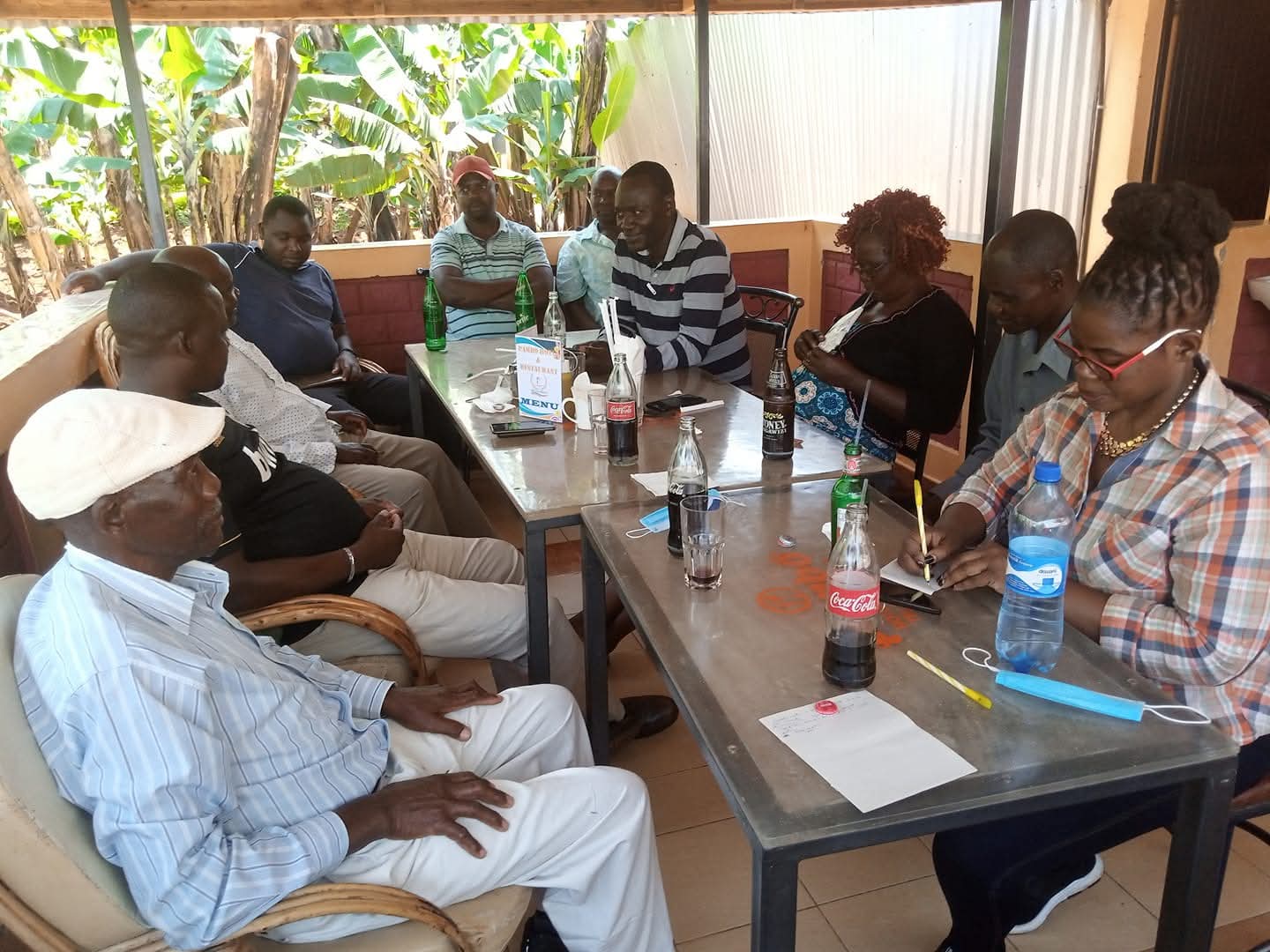
Reducing Post-Harvest Losses and Empowering Fishing Communities
The Fish Preservation & Cold Storage Project is one of Aid the Needy Kenya’s (ATN-K) key livelihood development initiatives aimed at improving the economic well-being of fishing communities across Kenya’s Lake Victoria Basin. The project addresses one of the most significant challenges facing small-scale fishers—post-harvest losses caused by inadequate fish preservation and cold storage facilities.
Fishing is a major source of income, food security, and employment for thousands of households in the region. However, many fishermen and fish traders experience substantial financial losses because freshly caught fish deteriorates quickly before it reaches markets. Limited access to refrigeration, poor storage infrastructure, and unreliable electricity often force fishers to sell their catch at low prices or lose it entirely.
To address these challenges, ATN-K established the Fish Preservation & Cold Storage Project to provide sustainable cold storage solutions, strengthen local fish value chains, improve food safety, and increase incomes for fishing households. By integrating renewable energy technologies, community participation, and market linkages, the project supports long-term economic growth while promoting sustainable fisheries management.
The project reflects ATN-K’s commitment to empowering communities through innovative, environmentally sustainable, and evidence-based development solutions.
Fishing communities around Lake Victoria face numerous challenges that affect productivity and household incomes.
These include:
Without adequate preservation facilities, fish often spoil within hours, leading to significant economic losses and increased food waste.
The primary goal of the Fish Preservation & Cold Storage Project is:
To reduce post-harvest fish losses, improve food safety, strengthen market access, and increase household incomes through sustainable fish preservation and cold storage solutions.
The project aims to:
ATN-K supports the establishment of modern cold storage facilities that allow fishing communities to preserve fresh fish before transportation and sale.
These facilities help:
Proper fish handling is essential for maintaining product quality.
ATN-K provides training on:
These skills improve the value and competitiveness of fish products in local and regional markets.
Where feasible, the project promotes renewable energy technologies, including solar-powered refrigeration systems, to provide reliable and environmentally friendly cold storage.
These solutions:
The project strengthens connections between fishing communities and buyers by improving:
This enables fishers to negotiate better prices and access larger markets.
ATN-K works closely with fishing communities to strengthen local institutions through:
These initiatives ensure communities can sustainably manage project resources and maximize economic benefits.
The Fish Preservation & Cold Storage Project has created significant social and economic benefits for fishing communities.
Access to cold storage significantly reduces fish spoilage, allowing fishers to preserve their catch for longer periods and minimize waste.
By preserving fish quality and extending shelf life, fishermen and traders can sell their products at better prices instead of accepting low prices due to the risk of spoilage.
This has contributed to:
Proper preservation ensures that consumers receive safer, higher-quality fish products while reducing foodborne health risks.
Women play an important role in fish processing and marketing.
The project supports women by:
The project creates employment opportunities for young people in:
Community ownership is central to the success of the project.
Fishing communities actively participate in:
This participatory approach strengthens sustainability while promoting accountability and local leadership.
ATN-K is committed to ensuring the long-term success of the project through:
These measures enable communities to continue benefiting from the project long after implementation.
The Fish Preservation & Cold Storage Project is strengthened through collaboration with:
These partnerships improve technical support, market access, and the long-term sustainability of project investments.
The project contributes directly to ATN-K’s broader mission of reducing poverty and empowering vulnerable communities through sustainable development. It complements the organization’s work in:
ATN-K’s organizational profile notes support for cold storage facilities for fishing communities as part of its efforts to improve livelihoods and strengthen local economies.
ATN-K plans to expand the Fish Preservation & Cold Storage Project by:
These future investments will help create more resilient fishing communities while improving food security and economic opportunities.
The Fish Preservation & Cold Storage Project demonstrates how strategic investments in infrastructure, renewable energy, and community capacity can transform livelihoods. By reducing post-harvest losses, improving product quality, strengthening market access, and creating new income opportunities, the project enables fishing communities to build more secure and sustainable futures.
At Aid the Needy Kenya (ATN-K), we believe that empowering local communities with practical, sustainable solutions is key to lasting development. Through innovation, collaboration, and community leadership, we are helping ensure that every catch contributes to healthier families, stronger local economies, and a more prosperous Lake Victoria Basin.
Before the Atela Community Water Project, I walked for nearly two hours every day to fetch water for my family. The water we collected was often unsafe, and our children frequently fell sick. Today, clean water is available much closer to our home, giving us more time for farming and caring for our families. This project has truly changed our lives, and we are deeply grateful to Aid the Needy Kenya for bringing hope to our community.
Reliable access to clean water has transformed not only our health but also our livelihoods. We no longer worry about where to find safe water during the dry season, and we can spend more time working on our farms instead of walking long distances. The Atela Water Project has restored dignity and created new opportunities for our community.
As a mother, seeing my children drink clean, safe water every day gives me peace of mind. They are healthier, attend school more regularly, and I now have time to participate in community development activities. The Atela Community Water Project has brought lasting change to our village. We appreciate Aid the Needy Kenya and its partners for investing in our future.
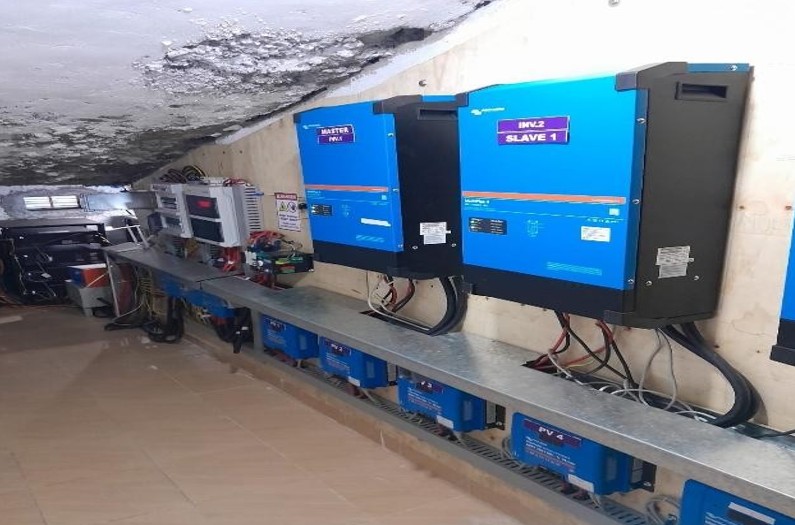
Powering Education and Healthcare Through Clean, Sustainable Energy
The Renewable Energy for Schools & Health Facilities Project is one of Aid the Needy Kenya’s (ATN-K) flagship initiatives aimed at improving access to quality education and healthcare by providing reliable, affordable, and environmentally sustainable energy solutions to underserved communities.
Many rural schools and health facilities across Kenya face frequent power interruptions or have no access to electricity at all. This limits the delivery of essential services, hinders learning, affects patient care, and widens the gap between rural and urban communities.
Recognizing that access to reliable energy is a key driver of sustainable development, ATN-K works with development partners, government institutions, and local communities to install solar-powered energy systems that improve learning environments, strengthen healthcare services, and promote environmental sustainability.
By utilizing renewable energy technologies, the project reduces dependence on costly fossil fuels, lowers operational expenses, and ensures that schools and health facilities can provide uninterrupted services while contributing to climate change mitigation.
Many rural institutions continue to face significant energy-related challenges that affect service delivery.
These include:
Without dependable electricity, schools struggle to embrace digital education, while health facilities face challenges in providing safe and effective patient care.
The primary goal of the Renewable Energy for Schools & Health Facilities Project is:
To improve access to quality education and healthcare by providing clean, reliable, and sustainable renewable energy solutions that enhance service delivery, strengthen community resilience, and promote environmental sustainability.
The project seeks to:
ATN-K installs modern solar photovoltaic (PV) systems to provide reliable electricity for schools, health facilities, and community institutions.
These systems power:
The use of solar energy ensures uninterrupted service while reducing dependence on unreliable grid electricity and expensive fuel-powered generators.
Reliable electricity creates better learning environments for students and teachers.
The project supports schools by providing power for:
With access to electricity, learners can develop digital skills and benefit from technology-enhanced education that prepares them for the modern workforce.
Health facilities require dependable electricity to deliver quality healthcare services.
Through solar energy installations, the project supports:
Reliable electricity improves patient safety and enables healthcare workers to provide essential services around the clock.
In some institutions, the project integrates solar-powered water pumping systems to improve access to clean water for:
This integrated approach enhances both health and educational outcomes.
ATN-K equips schools, healthcare workers, and community representatives with knowledge on:
Building local technical capacity ensures the long-term sustainability of project investments.
The Renewable Energy for Schools & Health Facilities Project has delivered meaningful improvements across education, healthcare, and community development.
Reliable electricity enables schools to:
Students gain access to modern educational resources that improve learning outcomes and prepare them for future opportunities.
Healthcare facilities equipped with renewable energy experience improvements in:
Reliable power ensures that essential health services continue without interruption.
Solar energy significantly reduces electricity expenses and eliminates dependence on expensive diesel generators.
Savings generated through renewable energy can be redirected toward:
The project contributes to environmental conservation by:
Renewable energy plays a vital role in creating greener, healthier communities.
Reliable electricity strengthens community institutions by ensuring schools and health facilities remain operational during power interruptions and emergencies.
This contributes to:
Community ownership is fundamental to the success of the project.
ATN-K actively involves:
Communities participate in planning, implementation, maintenance, and oversight, ensuring that renewable energy systems are well managed and sustainable.
To ensure long-term success, ATN-K incorporates sustainability strategies that include:
These measures help protect investments while ensuring uninterrupted service for years to come.
The Renewable Energy for Schools & Health Facilities Project is implemented through collaboration with:
These partnerships combine technical expertise, financial resources, and community participation to maximize the project’s impact.
ATN-K’s organizational profile highlights support for solar electrification of schools and health facilities, as well as the provision of ICT equipment and internet connectivity to improve education and community services.
This project directly contributes to several United Nations Sustainable Development Goals, including:
By integrating renewable energy into schools and healthcare facilities, ATN-K advances inclusive development while addressing global sustainability priorities.
Building on the success of this initiative, ATN-K plans to:
The Renewable Energy for Schools & Health Facilities Project demonstrates how clean energy can transform lives by improving education, strengthening healthcare, reducing costs, and protecting the environment. Reliable electricity empowers teachers to educate more effectively, healthcare workers to save lives, and communities to access essential services with dignity and confidence.
At Aid the Needy Kenya (ATN-K), we believe that renewable energy is not only a solution to energy poverty but also a pathway to healthier, more educated, and more resilient communities. Through innovation, strategic partnerships, and community leadership, we continue to light the way toward a sustainable future for all.
Before the Atela Community Water Project, I walked for nearly two hours every day to fetch water for my family. The water we collected was often unsafe, and our children frequently fell sick. Today, clean water is available much closer to our home, giving us more time for farming and caring for our families. This project has truly changed our lives, and we are deeply grateful to Aid the Needy Kenya for bringing hope to our community.
Reliable access to clean water has transformed not only our health but also our livelihoods. We no longer worry about where to find safe water during the dry season, and we can spend more time working on our farms instead of walking long distances. The Atela Water Project has restored dignity and created new opportunities for our community.
As a mother, seeing my children drink clean, safe water every day gives me peace of mind. They are healthier, attend school more regularly, and I now have time to participate in community development activities. The Atela Community Water Project has brought lasting change to our village. We appreciate Aid the Needy Kenya and its partners for investing in our future.
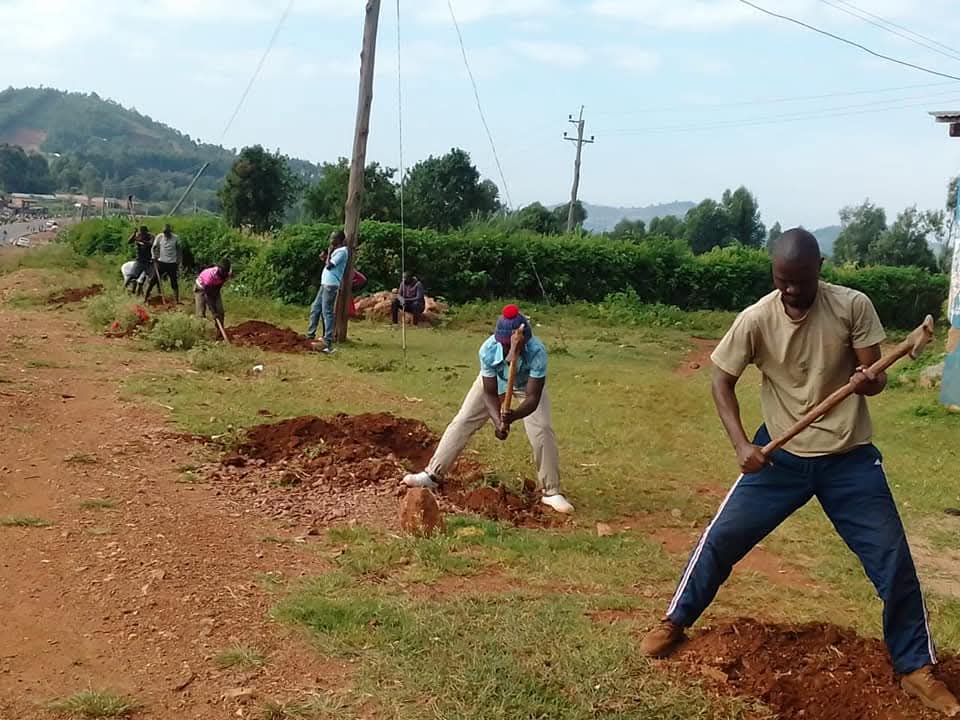
Protecting Nature, Building Resilient Communities, and Securing a Sustainable Future
The Environmental Conservation & Climate Resilience Project is one of Aid the Needy Kenya’s (ATN-K) flagship initiatives dedicated to protecting natural ecosystems, restoring degraded environments, and strengthening the capacity of communities to adapt to the growing impacts of climate change.
Communities across Kenya’s Lake Victoria Basin depend heavily on natural resources for their livelihoods. However, increasing deforestation, land degradation, unsustainable farming practices, pollution, and changing weather patterns have placed tremendous pressure on ecosystems, threatening water resources, biodiversity, food security, and household incomes.
To address these challenges, ATN-K works closely with local communities, county governments, schools, environmental organizations, and development partners to implement sustainable environmental conservation initiatives that restore ecosystems while promoting climate-smart livelihoods.
Through integrated environmental management, climate adaptation, community education, and sustainable natural resource use, the project contributes to healthier ecosystems and more resilient communities.
Climate change and environmental degradation continue to affect vulnerable communities across rural Kenya.
Key challenges include:
These environmental challenges directly impact food production, water availability, public health, and economic development.
The primary goal of the Environmental Conservation & Climate Resilience Project is:
To conserve natural ecosystems, restore degraded landscapes, and strengthen community resilience to climate change through sustainable environmental management and community-led conservation initiatives.
The project aims to:
ATN-K supports large-scale tree planting initiatives that restore degraded landscapes while protecting biodiversity and improving ecosystem health.
Activities include:
Tree planting helps reduce soil erosion, improve rainfall infiltration, capture carbon dioxide, and restore wildlife habitats.
Healthy ecosystems are essential for sustainable water supplies.
The project supports:
Protecting water sources improves access to clean water while strengthening climate resilience.
ATN-K’s organizational profile highlights forest regeneration and water aquifer protection as part of its environmental conservation efforts.
The project promotes agricultural practices that increase productivity while protecting natural resources.
Farmers receive training on:
These approaches help communities adapt to changing climatic conditions while improving food security.
Long-term conservation requires informed and engaged communities.
ATN-K conducts awareness campaigns covering:
These educational initiatives encourage responsible environmental stewardship across all age groups.
ATN-K empowers communities to become active custodians of their natural environment by supporting:
This participatory approach ensures conservation efforts are locally owned and sustainable.
The Environmental Conservation & Climate Resilience Project has delivered meaningful environmental, social, and economic benefits.
Tree planting and habitat restoration have contributed to:
Protection of water catchments has resulted in:
Communities benefit from more reliable water supplies for domestic use, agriculture, and livestock.
Communities participating in the project are better equipped to adapt to climate-related challenges through:
These interventions reduce vulnerability to droughts, floods, and other climate-related shocks.
Healthy ecosystems support sustainable economic activities including:
Environmental conservation and economic development work together to improve household incomes while protecting natural resources.
Through continuous education and outreach, communities have become more actively involved in:
This growing environmental consciousness contributes to long-term sustainability.
Community ownership is central to the success of the project.
ATN-K works alongside:
Community members actively participate in planning, implementation, monitoring, and maintenance of conservation initiatives, ensuring local ownership and accountability.
To ensure lasting impact, ATN-K has integrated sustainability into every stage of the project.
Key strategies include:
These measures empower communities to continue protecting their environment well beyond the life of individual projects.
The Environmental Conservation & Climate Resilience Project is implemented through collaboration with:
These partnerships enhance technical expertise, resource mobilization, and community participation while expanding the reach and sustainability of conservation efforts.
The project contributes directly to several global development goals, including:
By integrating environmental conservation with community development, ATN-K helps build resilient ecosystems and sustainable livelihoods.
ATN-K is committed to expanding environmental conservation initiatives by:
These future initiatives will help protect natural resources while improving the well-being of current and future generations.
The Environmental Conservation & Climate Resilience Project demonstrates that protecting the environment is essential for achieving sustainable development. By restoring forests, safeguarding water sources, promoting climate-smart agriculture, and empowering communities to become environmental stewards, ATN-K is creating a future where people and nature thrive together.
At Aid the Needy Kenya (ATN-K), we believe that healthy ecosystems are the foundation of healthy communities. Through collaboration, innovation, and community leadership, we are building resilience to climate change while preserving Kenya’s natural heritage for generations to come.
Before the Atela Community Water Project, I walked for nearly two hours every day to fetch water for my family. The water we collected was often unsafe, and our children frequently fell sick. Today, clean water is available much closer to our home, giving us more time for farming and caring for our families. This project has truly changed our lives, and we are deeply grateful to Aid the Needy Kenya for bringing hope to our community.
Reliable access to clean water has transformed not only our health but also our livelihoods. We no longer worry about where to find safe water during the dry season, and we can spend more time working on our farms instead of walking long distances. The Atela Water Project has restored dignity and created new opportunities for our community.
As a mother, seeing my children drink clean, safe water every day gives me peace of mind. They are healthier, attend school more regularly, and I now have time to participate in community development activities. The Atela Community Water Project has brought lasting change to our village. We appreciate Aid the Needy Kenya and its partners for investing in our future.
For over 15 years, Aid the Needy Kenya has partnered with communities, governments, and development organizations to fight poverty, improve livelihoods, and build resilient communities across Kenya’s Lake Victoria Basin through sustainable, community-driven development.
© Aid the Needy Kenya (ATN-K) – All Rights Reserved. This website was developed by STARVAS Systems